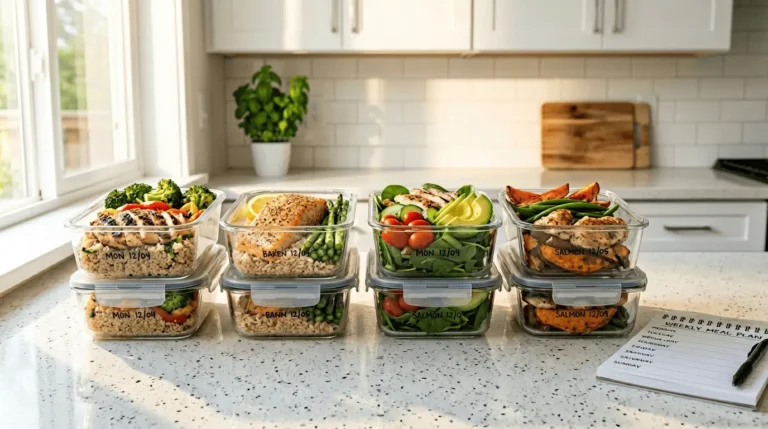
Diabetic Lunch Meal: How to Make 5 Healthy Bowls
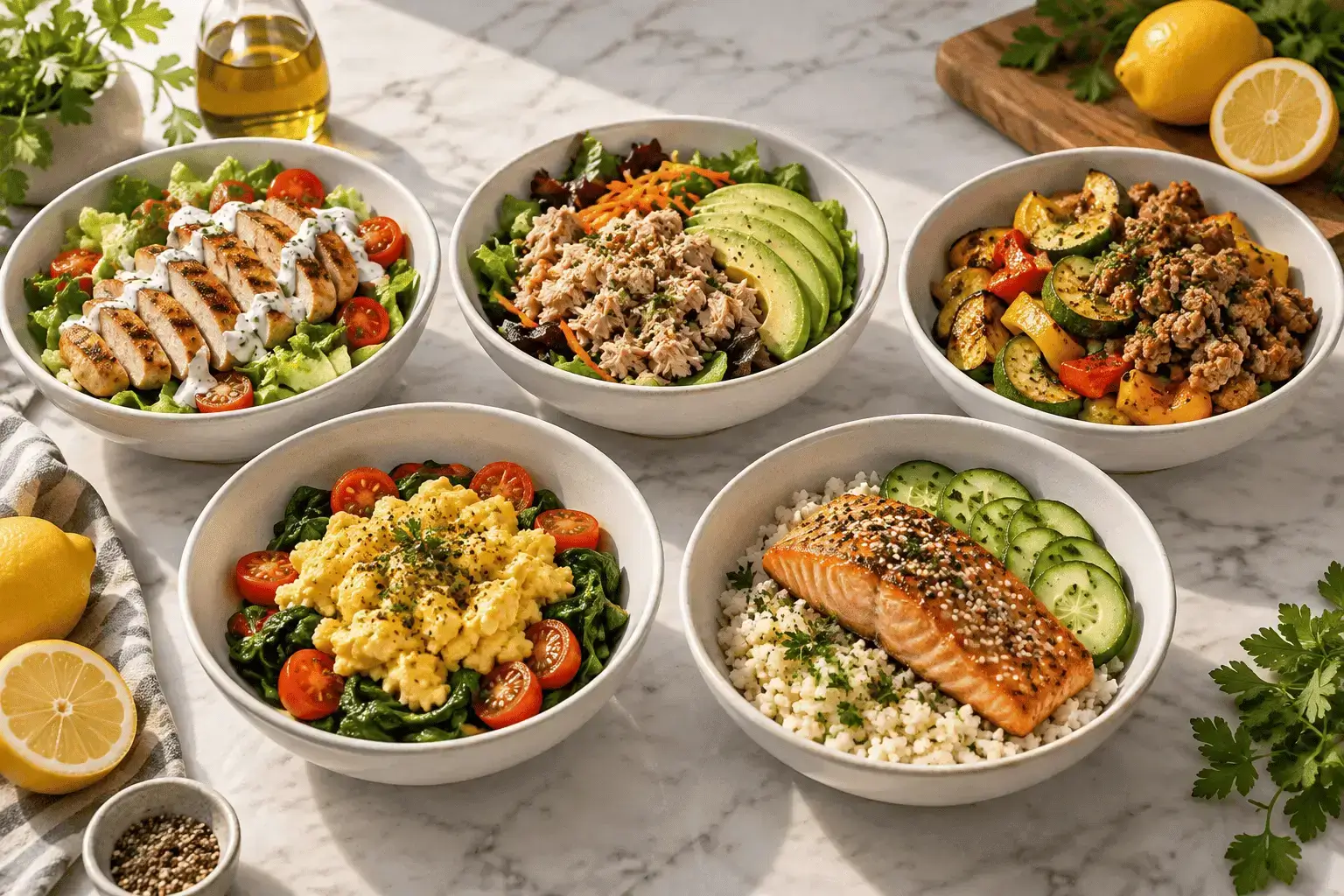
Do you stare at the fridge every afternoon wondering what on earth you can actually eat? For adults managing type 2 diabetes or women navigating gestational diabetes, lunchtime can feel like a minefield. Too many carbs spike your blood sugar. Too little food leaves you exhausted by 3 PM.
A smart diabetic lunch meal does not have to be complicated. These 5 healthy bowls are built around one simple principle: pair protein with fiber at every meal to support steady glucose levels throughout the day. Each bowl is satisfying, colorful, and easy to prepare ahead of time.
This guide is designed specifically for adults with type 2 diabetes and pregnant women managing gestational diabetes. You will find five bowl recipes, macro estimates, blood sugar tips, a grocery list, and a simple meal prep schedule — everything you need to make lunch your easiest meal of the day.
Author & Affiliate Disclosure
About This Post
This post was written by the Balance Level nutrition team to support people managing blood sugar through everyday food choices. Some links in this post may be affiliate links, which means we may earn a small commission at no extra cost to you. We only recommend products we genuinely trust. This content is for informational purposes only and is not a substitute for personalized medical advice. Always consult your healthcare provider or registered dietitian before making changes to your diet.
- Author & Affiliate Disclosure
- What This Plan Covers
- Bowl 1: Greek Chicken Protein Bowl
- Bowl 2: Tuna and Avocado Power Bowl
- Bowl 3: Turkey and Roasted Veggie Bowl
- Bowl 4: Egg and Spinach Breakfast-for-Lunch Bowl
- Bowl 5: Salmon and Cucumber Rice Bowl
- Weekly Grocery List
- Meal Prep Schedule
- Blood Sugar Tips for the Week
- Healthier Swaps and Modifications
- Storage and Reheating
- Conclusion
- FAQs
What This Plan Covers
This guide covers 5 diabetic-friendly lunch bowls designed to be rotated across a standard workweek. Each bowl is built around low carb high protein meals principles, targeting approximately 20–35 grams of net carbs per serving and 25–40 grams of protein. The goal is blood sugar stability, sustained energy, and genuine satisfaction after every lunch.
Every bowl pairs a lean protein source with non-starchy vegetables and a controlled portion of complex carbs or healthy fats. This combination slows glucose absorption and reduces post-meal spikes — one of the most practical strategies in any diabetes meal plan.
Portions are designed for an average adult. Please adjust based on your doctor’s or dietitian’s individual recommendations. Women managing gestational diabetes should pay particular attention to carb portions, as needs vary by trimester and individual glucose response.
Bowl 1: Greek Chicken Protein Bowl
Recipe Overview
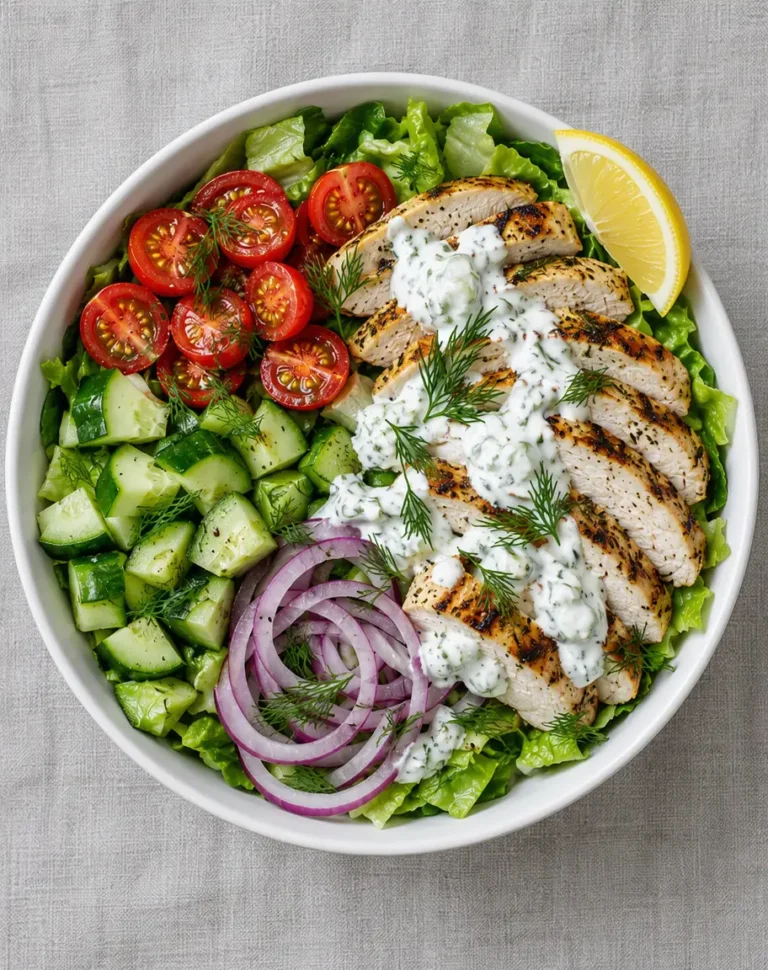
This Mediterranean-inspired bowl is one of the easiest high protein low carb meals you can prep in bulk. Grilled chicken sits over a bed of chopped romaine, cucumber, cherry tomatoes, red onion, and a light tzatziki drizzle.
Ingredients (1 serving):
- 4 oz grilled chicken breast, sliced
- 1 cup romaine lettuce, chopped
- ½ cup cucumber, diced
- ¼ cup cherry tomatoes, halved
- 2 tbsp red onion, sliced
- 2 tbsp tzatziki sauce (plain Greek yogurt based)
- 1 tbsp olive oil and lemon juice dressing
Approximate Macros:
| Nutrient | Amount |
|---|---|
| Calories | ~320 [VERIFY VALUE] |
| Net Carbs | ~10g |
| Protein | ~36g |
| Fat | ~14g |
Blood Sugar Tip: Eat your protein and vegetables first, then any carb-containing toppings. This simple order can meaningfully reduce post-meal glucose rises.
Bowl 2: Tuna and Avocado Power Bowl
Recipe Overview
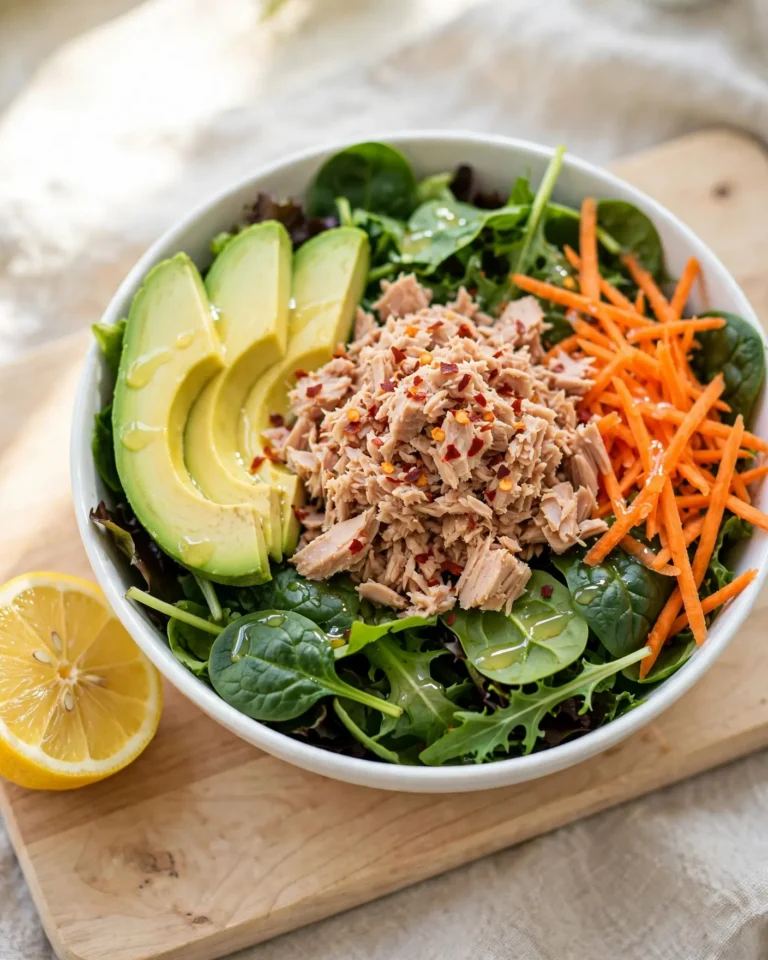
This is one of those easy healthy meals low carb high protein fans keep returning to week after week. Canned tuna is budget-friendly, fast, and incredibly versatile. Paired with creamy avocado and crisp greens, it becomes a genuinely satisfying midday meal.
Ingredients (1 serving):
- 4 oz canned tuna in water, drained
- ½ medium avocado, sliced
- 1 cup mixed greens or baby spinach
- ¼ cup shredded carrots
- 1 tbsp lemon juice
- Salt, pepper, and red pepper flakes to taste
Approximate Macros:
| Nutrient | Amount |
|---|---|
| Calories | ~310 [VERIFY VALUE] |
| Net Carbs | ~8g |
| Protein | ~30g |
| Fat | ~18g |
Blood Sugar Tip: Avocado’s healthy monounsaturated fats help slow carbohydrate absorption. Including it regularly in your blood sugar friendly menu supports more stable readings after meals.
Bowl 3: Turkey and Roasted Veggie Bowl
Recipe Overview
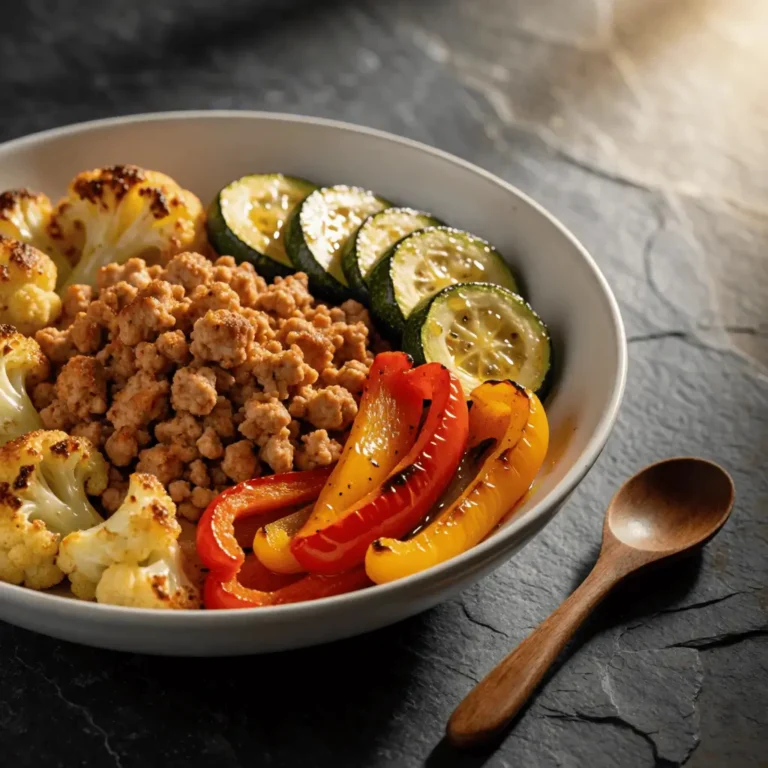
Ground turkey is one of the most underrated proteins for a diabetic lunch meal rotation. It cooks fast, stores well, and absorbs seasoning beautifully. Pair it with roasted zucchini, bell peppers, and cauliflower for a warm, comforting bowl.
Ingredients (1 serving):
- 4 oz lean ground turkey, cooked and seasoned
- ½ cup roasted zucchini
- ½ cup roasted bell peppers (mixed colors)
- ½ cup roasted cauliflower florets
- 1 tsp olive oil
- Garlic, cumin, and paprika to taste
Approximate Macros:
| Nutrient | Amount |
|---|---|
| Calories | ~330 [VERIFY VALUE] |
| Net Carbs | ~12g |
| Protein | ~34g |
| Fat | ~16g |
Blood Sugar Tip: Roasting vegetables concentrates their natural sweetness without adding sugar. Cauliflower is a particularly excellent low-glycemic base for any gestational diabetes weekly plan.
Bowl 4: Egg and Spinach Breakfast-for-Lunch Bowl
Recipe Overview
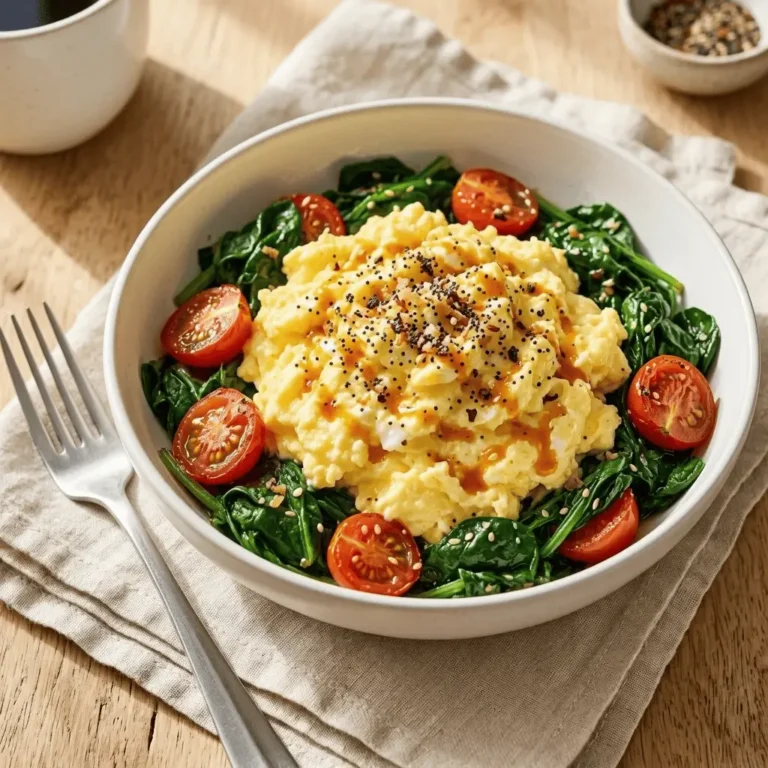
Do not let the name fool you — this bowl works beautifully at noon. Scrambled or hard-boiled eggs over sautéed spinach with sliced cherry tomatoes and a drizzle of hot sauce is one of the simplest easy high protein low carb meals in this lineup.
Ingredients (1 serving):
- 3 large eggs, scrambled or hard-boiled
- 1½ cups baby spinach, sautéed
- ¼ cup cherry tomatoes, halved
- 1 tsp olive oil
- Hot sauce or everything bagel seasoning to taste
Approximate Macros:
| Nutrient | Amount |
|---|---|
| Calories | ~280 [VERIFY VALUE] |
| Net Carbs | ~6g |
| Protein | ~20g |
| Fat | ~19g |
Blood Sugar Tip: Eggs have virtually zero carbohydrates, making them one of the best anchors for a low carb high protein meal. Adding spinach boosts magnesium, a mineral linked to better insulin sensitivity.
For more egg-based ideas, check out our easy low carb breakfast recipes guide on Balance Level.
Bowl 5: Salmon and Cucumber Rice Bowl
Recipe Overview
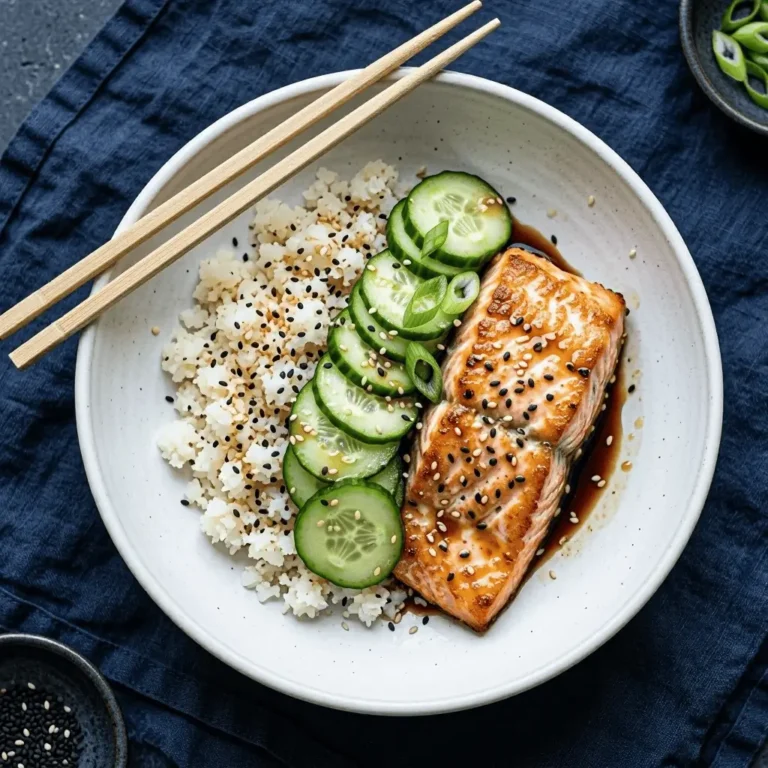
This bowl brings a little more carbohydrate structure through a small portion of cauliflower rice or brown rice, balanced by the omega-3 richness of salmon. It is the most substantial bowl in this collection — ideal for days when you need sustained afternoon energy.
Ingredients (1 serving):
- 4 oz cooked salmon fillet (baked or canned)
- ½ cup cauliflower rice OR ¼ cup cooked brown rice [GD: use cauliflower rice]
- ½ cup cucumber, thinly sliced
- 1 tbsp low-sodium soy sauce or coconut aminos
- 1 tsp sesame oil
- Optional: sesame seeds, sliced green onion
Approximate Macros (with cauliflower rice):
| Nutrient | Amount |
|---|---|
| Calories | ~340 [VERIFY VALUE] |
| Net Carbs | ~9g |
| Protein | ~35g |
| Fat | ~18g |
Blood Sugar Tip: Omega-3 fatty acids in salmon support anti-inflammatory pathways that may benefit insulin sensitivity over time. This makes salmon a valuable regular feature in any diabetes meal plan.
Weekly Grocery List
Produce
| Item | Tag |
|---|---|
| Romaine lettuce | [T2D-Friendly] [GD-Safe] |
| Baby spinach | [T2D-Friendly] [GD-Safe] |
| Cucumber (x3) | [T2D-Friendly] [GD-Safe] |
| Cherry tomatoes | [T2D-Friendly] [GD-Safe] |
| Zucchini (x2) | [T2D-Friendly] [GD-Safe] |
| Bell peppers (mixed) | [T2D-Friendly] [GD-Safe] |
| Cauliflower (1 head) | [T2D-Friendly] [GD-Safe] |
| Avocado (x2) | [T2D-Friendly] [GD-Safe] |
| Red onion | [Budget Option] |
| Shredded carrots | [Budget Option] |
| Lemon (x2) | [Budget Option] |
Dairy & Eggs
| Item | Tag |
|---|---|
| Eggs (1 dozen) | [T2D-Friendly] [Budget Option] |
| Plain Greek yogurt (for tzatziki) | [T2D-Friendly] [GD-Safe] |
Protein
| Item | Tag |
|---|---|
| Chicken breast (1 lb) | [T2D-Friendly] [GD-Safe] |
| Canned tuna in water (3 cans) | [T2D-Friendly] [Budget Option] |
| Lean ground turkey (1 lb) | [T2D-Friendly] [GD-Safe] |
| Salmon fillets or canned salmon | [T2D-Friendly] [GD-Safe] |
Pantry / Dry Goods
| Item | Tag |
|---|---|
| Olive oil | [T2D-Friendly] |
| Coconut aminos or low-sodium soy sauce | [T2D-Friendly] |
| Sesame oil | [T2D-Friendly] |
| Spices: cumin, paprika, garlic powder | [Budget Option] |
| Brown rice (optional) — ¼ cup cooked per serving | [T2D-Friendly — portion carefully] |
Frozen
| Item | Tag |
|---|---|
| Frozen cauliflower rice | [T2D-Friendly] [Budget Option] |
| Frozen mixed vegetables (backup) | [Budget Option] |
Meal Prep Schedule
Best prep day: Sunday afternoon (approximately 60–75 minutes)
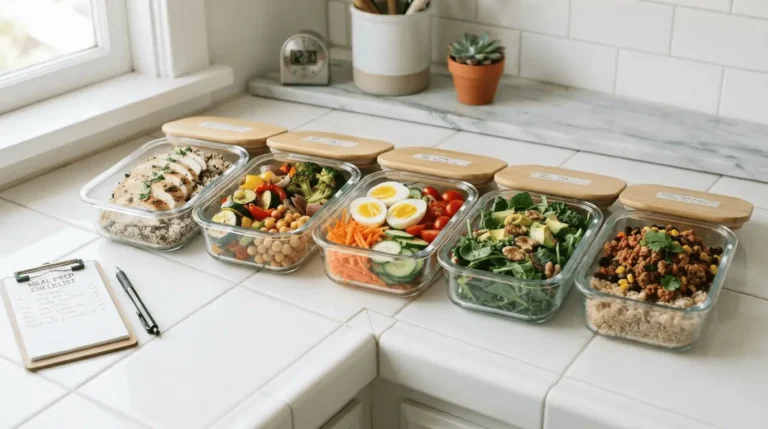
Step-by-Step Time Blocks:
| Time | Task |
|---|---|
| 0:00–0:15 | Season and grill or bake chicken breast and salmon |
| 0:15–0:30 | Cook and season ground turkey on stovetop |
| 0:30–0:45 | Roast zucchini, bell peppers, and cauliflower at 400°F |
| 0:45–0:55 | Hard-boil eggs, prep cauliflower rice |
| 0:55–1:15 | Chop all vegetables, portion into containers |
Storage Recommendations:
- Use glass meal prep containers with locking lids for best freshness
- Store dressings and sauces separately to prevent sogginess
- Label each container with the bowl name and prep date
Reheating Instructions:
- Turkey and roasted veggie bowl: microwave 90 seconds, stir halfway
- Greek chicken bowl: reheat chicken separately, assemble cold components fresh
- Salmon bowl: reheat salmon gently at 50% microwave power for 60 seconds
- Egg bowl: reheat scrambled eggs at low power; hard-boiled eggs serve cold
Blood Sugar Tips for the Week
1. Eat in the right order.
Start each bowl by eating your protein, then vegetables, then any carbohydrate portion. Research consistently shows that food order influences post-meal glucose response.
2. Do not skip lunch.
Skipping meals can cause blood sugar to drop and then rebound sharply at your next eating opportunity. Consistent timing supports more predictable glucose patterns throughout the day.
3. Stay hydrated.
Dehydration can cause blood sugar readings to appear higher than they actually are. Aim for water or unsweetened herbal tea alongside each meal.
4. Walk after eating.
Even a 10-minute walk after your diabetic lunch meal can meaningfully support post-meal glucose clearance. This is one of the most evidence-supported lifestyle strategies for blood sugar management.
For more practical guidance, visit our complete blood sugar management tips guide on Balance Level.
Healthier Swaps and Modifications
To Lower Carbs Further:
- Replace brown rice entirely with cauliflower rice in Bowl 5
- Use lettuce wraps instead of any grain base
- Reduce carrots and tomatoes, which contain natural sugars
Budget Swaps:
- Swap salmon for canned sardines or canned tuna
- Use frozen spinach instead of fresh baby spinach
- Buy whole chicken thighs and portion yourself for lower cost
Vegetarian and Vegan Alternatives:
- Replace chicken with baked tofu or tempeh (check carb content on tempeh)
- Use chickpeas in small portions (approximately ¼ cup) as a protein source
- Replace eggs with silken tofu scramble seasoned with turmeric and nutritional yeast
Pregnancy-Specific Modifications (GD):
- Always choose cauliflower rice over brown rice to minimize carb load
- Avoid raw fish entirely — use only fully cooked salmon or canned varieties
- Ensure all deli-style proteins are heated to 165°F (74°C) before eating
- Discuss portion adjustments with your obstetric dietitian as trimester needs change
You may also find our gestational diabetes meal planning starter guide on Balance Level helpful for additional trimester-specific guidance.
Storage and Reheating
Refrigerator Storage Guidelines:
| Bowl | Fridge Life |
|---|---|
| Greek Chicken Bowl (assembled without dressing) | 3–4 days |
| Tuna and Avocado Bowl (avocado added fresh) | 2–3 days |
| Turkey and Roasted Veggie Bowl | 4 days |
| Egg and Spinach Bowl | 3 days |
| Salmon and Cucumber Bowl | 3 days |
Freezer Storage:
- Cooked turkey and chicken freeze well for up to 2 months
- Cooked salmon can be frozen for up to 1 month
- Raw vegetables and greens do not freeze well — prep fresh weekly
Food Safety Note for Pregnant Women:
Reheat all pre-cooked proteins to an internal temperature of 165°F (74°C) before consuming. Do not consume any pre-prepared protein that has been stored longer than 3 days during pregnancy. When in doubt, prepare fresh.
Conclusion
Building a reliable diabetic lunch meal routine does not require hours in the kitchen or a nutrition degree. These 5 healthy bowls give you a practical, flexible framework that supports stable blood sugar, delivers satisfying protein, and keeps lunchtime stress-free. Whether you are managing type 2 diabetes or navigating gestational diabetes, each bowl is designed to work with your body — not against it.
Start with one or two bowls this week, notice how you feel after eating, and build from there. Small, consistent changes create lasting results. Try this plan and share your experience in the comments below. Subscribe to Balance Level for new meal plans, recipes, and blood sugar tips delivered directly to your inbox.
Download this meal plan as a printable PDF + grocery list here.
FAQs
1. Can I repeat the same bowl every day if I enjoy it?
Absolutely. Repetition can actually make blood sugar management easier because your body and your glucose monitor will respond more predictably to familiar meals. Just ensure you are meeting your overall nutritional needs across the week.
2. What if my blood sugar spikes after one of these bowls?
First, check your portion sizes — even low carb ingredients can spike glucose in larger quantities. Try eating in the food order described above (protein first, then vegetables, then carbs). If spikes persist, speak with your healthcare provider or dietitian about adjustments.
3. Are these bowls safe during pregnancy?
Yes, with a few important modifications. Avoid any raw fish, limit high-mercury fish like tuna to 2 servings per week, and always reheat proteins fully. Consult your obstetric care team for personalized guidance on carb targets during each trimester.
4. Is it safe to meal prep while pregnant?
Yes, meal prepping is safe and genuinely beneficial during pregnancy. Practice proper food hygiene, use clean containers, label everything with dates, and follow refrigerator storage time limits strictly. Avoid prepping meals more than 3 days in advance.
5. Can I add grains to these bowls?
You can, but do so carefully. Choose low glycemic options like quinoa or brown rice, limit portions to ¼ cup cooked, and always pair with protein to blunt the glucose response. Women with gestational diabetes should check with their dietitian before adding grains.
6. How do I know if these macros are right for me?
The macro estimates in this guide are general starting points. Individual carbohydrate tolerance varies significantly, especially with diabetes. Use a food tracking app to verify values against your specific brands and portions, and work with your healthcare team to establish your personal targets.
7. Can I use these bowls for dinner instead of lunch?
Yes. These bowls are versatile enough to work at any meal. Simply adjust portion sizes based on your overall daily calorie and carbohydrate goals.
8. What is the best bowl to start with as a beginner?
The Tuna and Avocado Power Bowl (Bowl 2) requires no cooking and comes together in under 5 minutes. It is the ideal starting point if you are new to low carb meal prepping or short on time.
Disclaimer: The information provided on Balance Level is for general educational purposes only and is not intended as medical advice. Always consult a qualified healthcare provider, registered dietitian, or certified diabetes educator before making changes to your diet, especially if you are pregnant or managing a chronic health condition.