Foods High in Fiber Fruits: 10 Best Picks to Try
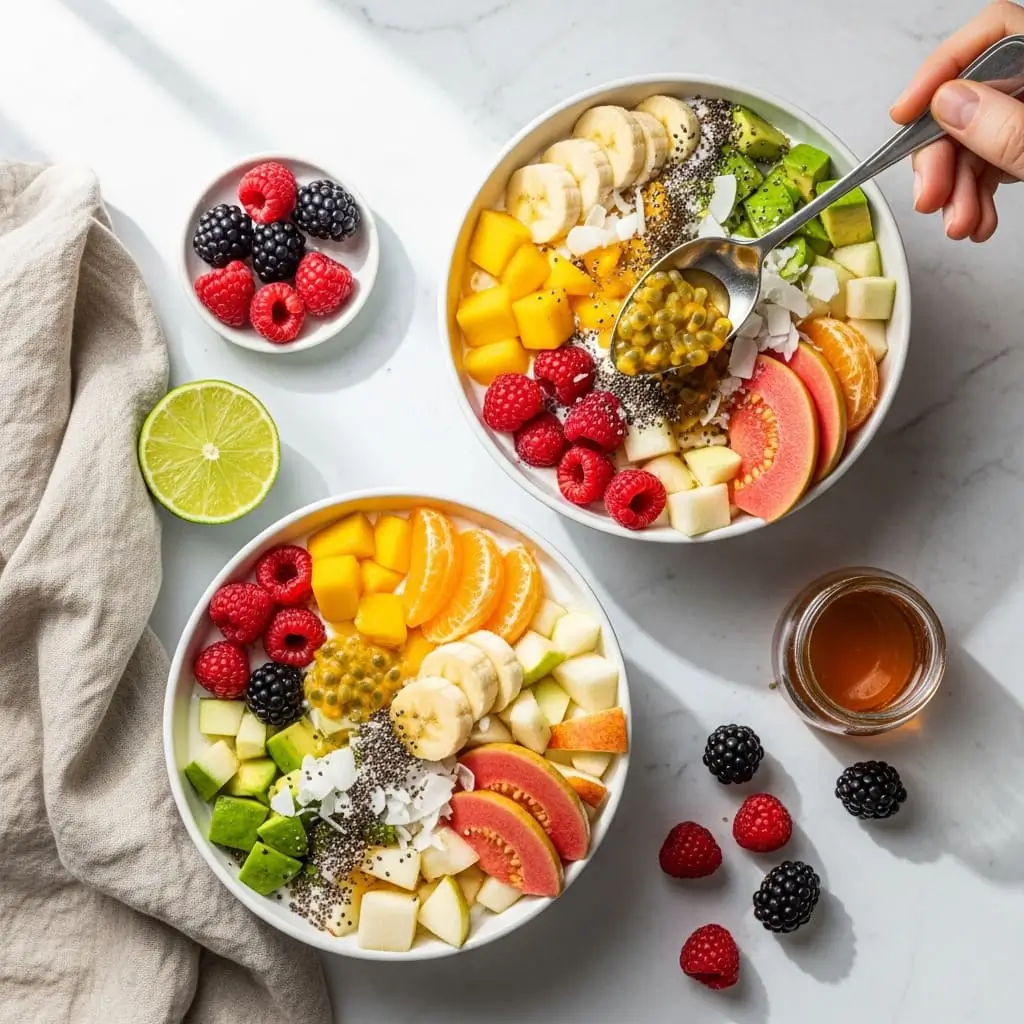
Did you know that only about 5% of Americans meet their recommended daily fiber intake of 25 to 38 grams per day, according to the American Society for Nutrition? That staggering statistic means the vast majority of us are walking around fiber-deficient — and our gut health, energy levels, and even weight management are paying the price. The good news? Nature has already packaged the perfect solution in colorful, delicious form. When you explore foods high in fiber fruits, you quickly realize that boosting your daily fiber intake does not have to feel like a chore. In fact, it can be downright delicious.
This post is your ultimate guide to understanding which fiber-rich fruits deserve a permanent spot in your kitchen. We are going beyond a simple list. We are giving you a mouthwatering High-Fiber Fruit Power Bowl recipe that combines the 10 best picks into one satisfying, nutrient-dense meal. Whether you are looking to improve digestive health, support heart health, or simply eat more whole foods, this guide — and this recipe — will transform the way you think about fruit and fiber forever.
By the end, you will know exactly which fruits pack the most dietary fiber per serving, how to combine them for maximum flavor and nutrition, and how to store and serve them like a pro. Let us dive in.
Ingredients List for the High-Fiber Fruit Power Bowl
This recipe brings together the 10 best foods high in fiber fruits into one vibrant, satisfying bowl. Each ingredient is chosen for its exceptional fiber content, flavor profile, and nutritional value. Here is what you will need to serve two generous bowls.
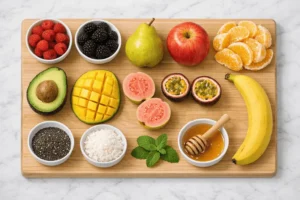
Base Ingredients:
- 1 cup fresh raspberries (8 grams of fiber per cup — the fiber superstar)
- 1 medium pear, diced with skin on (5.5 grams of fiber)
- 1 medium apple, chopped with skin on (4.4 grams of fiber)
- 1 cup fresh blackberries (7.6 grams of fiber per cup)
- 1 medium banana, sliced (3.1 grams of fiber)
- 1 large orange, peeled and segmented (4.4 grams of fiber)
- ½ ripe avocado, cubed (5 grams of fiber — yes, avocado is a fruit!)
- ½ cup diced mango (2.6 grams of fiber)
- 1 medium guava, sliced (3 grams of fiber)
- 2 passion fruits, pulp scooped out (3.3 grams of fiber per fruit)
Toppings and Extras:
- 2 tablespoons chia seeds (rich in soluble fiber)
- 2 tablespoons unsweetened shredded coconut
- 1 tablespoon raw honey or maple syrup (optional for sweetness)
- ½ cup Greek yogurt or coconut yogurt for a creamy base
- A squeeze of fresh lime juice for brightness
Substitution Ideas:
- No guava available? Swap in kiwi (2.1 grams of fiber each) for a tangy twist.
- Allergic to mango? Try papaya, which offers a similar tropical sweetness with decent fiber.
- Prefer a vegan option? Use coconut yogurt instead of Greek yogurt.
- Out of passion fruit? Pomegranate arils bring a gorgeous crunch and solid fiber content.
Timing
One of the best things about this High-Fiber Fruit Power Bowl is how quick it comes together. No oven, no stovetop, no stress.
- Preparation Time: 12 minutes
- Cooking Time: 0 minutes (completely raw and fresh)
- Total Time: 12 minutes
That is roughly 60% less time than the average healthy breakfast recipe, which typically clocks in at around 30 minutes. Perfect for busy mornings when you want maximum nutrition with minimal effort.
Step-by-Step Instructions
Step 1: Wash and Prep Your Fruits
Start by thoroughly washing all your fruits under cool running water. This is especially important for raspberries, blackberries, and any fruit you plan to eat with the skin on, like pears and apples. Pat them dry gently with a clean kitchen towel.
- Pro Tip: Leave the skin on your pears and apples. A significant portion of their insoluble fiber lives in the skin. Peeling them removes up to 50% of their total fiber content.
Step 2: Dice, Slice, and Segment
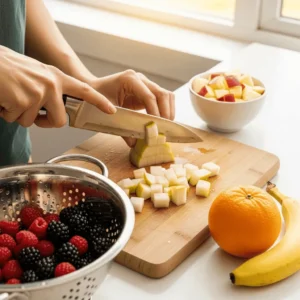
Now comes the fun part. Dice your pear and apple into bite-sized cubes. Slice your banana into even rounds. Peel and segment your orange, removing any stubborn pith but keeping the membranes intact for extra fiber. Cut your guava into thin slices and cube the avocado. Halve the passion fruits and scoop out the seedy pulp. Finally, dice your mango into small chunks.
- Pro Tip: Cut all fruits to a similar size so every spoonful delivers a balanced medley of flavors and textures.
Step 3: Build Your Bowl Base
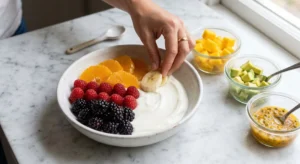
Spoon the Greek yogurt or coconut yogurt into the bottom of two serving bowls. Spread it out evenly to create a creamy foundation. This base does more than add flavor — the protein in yogurt helps slow digestion, allowing your body to absorb the soluble fiber from the fruits more effectively.
Step 4: Arrange Your Fiber-Rich Fruits
Now artfully arrange your fruits on top of the yogurt base. You can go for a rainbow layout, grouping fruits by color, or toss everything together for a rustic, abundant look. Start with the heartier fruits like pear and apple on the bottom layer, then add berries, citrus, mango, guava, and avocado on top.
- Pro Tip: Place the passion fruit pulp last, drizzling it over everything. Its tangy, aromatic juice acts like a natural dressing.
Step 5: Add Toppings and Finishing Touches
Sprinkle chia seeds and shredded coconut over the top. Drizzle with raw honey or maple syrup if you like a touch of extra sweetness. Finish with a bright squeeze of lime juice. The lime not only enhances every fruit flavor but also provides vitamin C, which helps your body absorb the iron present in several of these fruits.
Step 6: Serve Immediately and Enjoy
Grab a spoon and dig in while everything is fresh and vibrant. This bowl is best enjoyed immediately, though we will cover storing tips below if you need to prep ahead.
Nutritional Information
This High-Fiber Fruit Power Bowl is a nutritional powerhouse. Here is an approximate breakdown per serving (recipe makes two servings).
| Nutrient | Amount Per Serving |
|---|---|
| Calories | 380 kcal |
| Total Fiber | 28 g |
| Soluble Fiber | ~10 g |
| Insoluble Fiber | ~18 g |
| Protein | 10 g |
| Total Fat | 12 g |
| Saturated Fat | 3.5 g |
| Total Carbohydrates | 62 g |
| Natural Sugars | 40 g |
| Vitamin C | 185% DV |
| Potassium | 32% DV |
| Folate | 22% DV |
Key Data Insight: A single serving of this bowl delivers approximately 75% to 112% of the recommended daily fiber intake for adults (25 grams for women, 38 grams for men). That means one bowl can nearly cover your entire day’s fiber needs — something most people fail to achieve across all three meals combined.
The combination of soluble fiber from fruits like oranges, apples, and chia seeds, along with insoluble fiber from raspberry seeds, pear skin, and blackberries, supports both digestive regularity and heart health by helping to lower LDL cholesterol levels.
Healthier Alternatives for the Recipe
Already nutritious as it stands, this recipe can be tweaked further depending on your dietary goals.
- Lower Sugar Option: Remove the honey and banana. Replace mango with additional blackberries or raspberries, which have less natural sugar but higher fiber per gram.
- Higher Protein Variation: Swap Greek yogurt for skyr, which contains up to 17 grams of protein per serving. Add a scoop of unflavored collagen peptides for an invisible protein boost.
- Keto-Friendly Adaptation: Focus on avocado, raspberries, and blackberries — the lowest-carb, highest-fiber fruits. Skip banana, mango, and honey entirely. Use full-fat coconut cream as your base.
- Kid-Friendly Version: Blend the yogurt and banana together into a smoothie-style base, then top with berries and a drizzle of honey. Kids love the sweeter, creamier texture.
- Diabetic-Conscious Modification: Eliminate honey and banana. Stick with berries, avocado, pear, and guava, which have lower glycemic indexes while still delivering impressive fiber content.
These swaps ensure that foods high in fiber fruits remain accessible and enjoyable for virtually every dietary preference.
Serving Suggestions
This fiber-packed fruit bowl is incredibly versatile. Here are some creative ways to serve it.
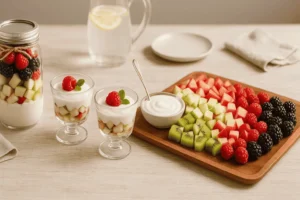
- Breakfast Centerpiece: Pair it with a slice of whole-grain toast and a hard-boiled egg for a complete, balanced morning meal.
- Post-Workout Refuel: After exercise, your muscles crave carbohydrates and your gut craves fiber. This bowl delivers both. Add a tablespoon of almond butter for healthy fats and sustained energy.
- Dessert Swap: Craving something sweet after dinner? Serve smaller portions in dessert cups. The natural sugars satisfy your sweet tooth while the fiber prevents a blood sugar spike.
- Party Platter Style: Arrange all 10 fiber-rich fruits on a large serving board with yogurt dip on the side. It becomes a stunning, healthy centerpiece for brunches and gatherings.
- Meal Prep Jars: Layer ingredients in mason jars (yogurt on the bottom, heartier fruits in the middle, berries on top). Seal and refrigerate for grab-and-go nutrition.
Common Mistakes to Avoid
Even with a simple recipe like this, there are pitfalls that can reduce your fiber intake or diminish the flavor.
- Peeling Your Fruits: This is the number one mistake. The skin of apples, pears, and guava contains a dense concentration of insoluble fiber. Always eat the skin when possible.
- Using Canned Fruit Instead of Fresh: Canned fruits are often peeled, cooked, and soaked in syrup. This process strips fiber and adds unnecessary sugar. Always choose fresh or frozen whole fruits.
- Skipping the Seeds: Raspberry and blackberry seeds are tiny but mighty sources of insoluble fiber. Do not strain them out.
- Overripe Avocado: Brown, mushy avocado will not taste great in a fruit bowl. Choose avocados that yield slightly to gentle pressure but still feel firm.
- Drowning in Sweetener: Excess honey or maple syrup masks the natural sweetness of ripe fruit and adds empty calories. Use no more than one tablespoon for two servings.
- Ignoring Portion Balance: Loading up on banana and mango while skimping on berries means more sugar and less fiber. Balance your ratios for optimal nutrition.
Storing Tips for the Recipe
Freshness matters when it comes to maximizing both flavor and fiber content.
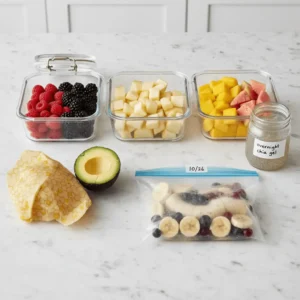
- Prepped Fruits: Store washed and cut fruits in airtight glass containers in the refrigerator. Most cut fruits stay fresh for 2 to 3 days. Toss apple and pear slices in lemon juice to prevent browning.
- Avocado Storage: Cut avocado browns quickly. Store unused portions with the pit still in, wrapped tightly in plastic wrap or beeswax wrap, and use within 24 hours.
- Assembled Bowls: If you assemble the full bowl, consume it within 4 to 6 hours. The yogurt base can cause berries to become soggy if left too long.
- Freezing for Smoothies: Have leftover fruit? Freeze raspberries, blackberries, mango, and banana in a single layer on a baking sheet, then transfer to freezer bags. They will keep for up to 3 months and work perfectly in fiber-rich smoothies.
- Chia Seed Prep: Mix chia seeds with a splash of water or juice the night before. By morning, they form a gel-like consistency that is easier to digest and even more effective at delivering soluble fiber.
Conclusion
This High-Fiber Fruit Power Bowl brings together the 10 best foods high in fiber fruits into one easy, delicious recipe. From raspberries and blackberries to avocado and passion fruit, every ingredient is chosen for maximum fiber content and incredible flavor. In just 12 minutes, you get nearly a full day’s worth of dietary fiber in a single bowl.
Ready to give it a try? Make this recipe today and let us know how it turned out. Drop a comment below, leave a review, or share your own high-fiber fruit combinations with our community. Do not forget to subscribe for more healthy recipes and nutrition tips delivered straight to your inbox.
FAQs
Which fruit has the highest fiber content?
Raspberries lead the pack among commonly available fruits, offering approximately 8 grams of dietary fiber per cup. Blackberries follow closely with 7.6 grams per cup. Both are excellent foods high in fiber fruits to include in your daily diet.
Can I eat too much fiber from fruits?
Yes, increasing fiber intake too quickly can cause bloating, gas, and digestive discomfort. Nutritionists recommend adding fiber gradually — about 3 to 5 extra grams per day — and drinking plenty of water to help your digestive system adjust.
Is avocado really a fruit?
Absolutely. Botanically, avocado is a single-seeded berry. It is one of the most fiber-dense fruits available, providing about 10 grams of fiber per whole avocado, along with heart-healthy monounsaturated fats.
Are dried fruits as high in fiber as fresh fruits?
Dried fruits do contain concentrated fiber, but they also pack significantly more sugar and calories per serving. Fresh or frozen fruits are generally the better choice when your goal is to maximize fiber without excess sugar.
Can this bowl help with weight loss?
High-fiber foods promote satiety, meaning they keep you feeling full longer. Studies published in the Annals of Internal Medicine suggest that simply increasing daily fiber intake to 30 grams can support meaningful weight loss even without other dietary changes. This bowl gets you remarkably close to that target in just one meal.
Is this recipe suitable for children?
Yes, with minor adjustments. Younger children may prefer softer fruits like banana and mango. Cut all fruits into age-appropriate sizes to avoid choking hazards, and skip chia seeds for toddlers unless they are fully hydrated into a gel.
What is the difference between soluble and insoluble fiber?
Soluble fiber dissolves in water and forms a gel-like substance that helps lower cholesterol and regulate blood sugar. Insoluble fiber does not dissolve and adds bulk to stool, promoting regular bowel movements. This recipe provides a healthy balance of both types, which is ideal for overall digestive wellness.