type 1 diabetes: How 5 Simple Habits Improve Daily Life
Did you know that over 80% of people with type 1 diabetes report better blood sugar control when they follow consistent daily habits? Managing type 1 diabetes isn’t just about insulin—it’s about small, repeatable actions that shape your energy, mood, and long-term health. If you’ve ever felt overwhelmed by glucose swings or unsure about daily routines, this guide simplifies everything into five powerful, practical habits you can start today.
Ingredients List
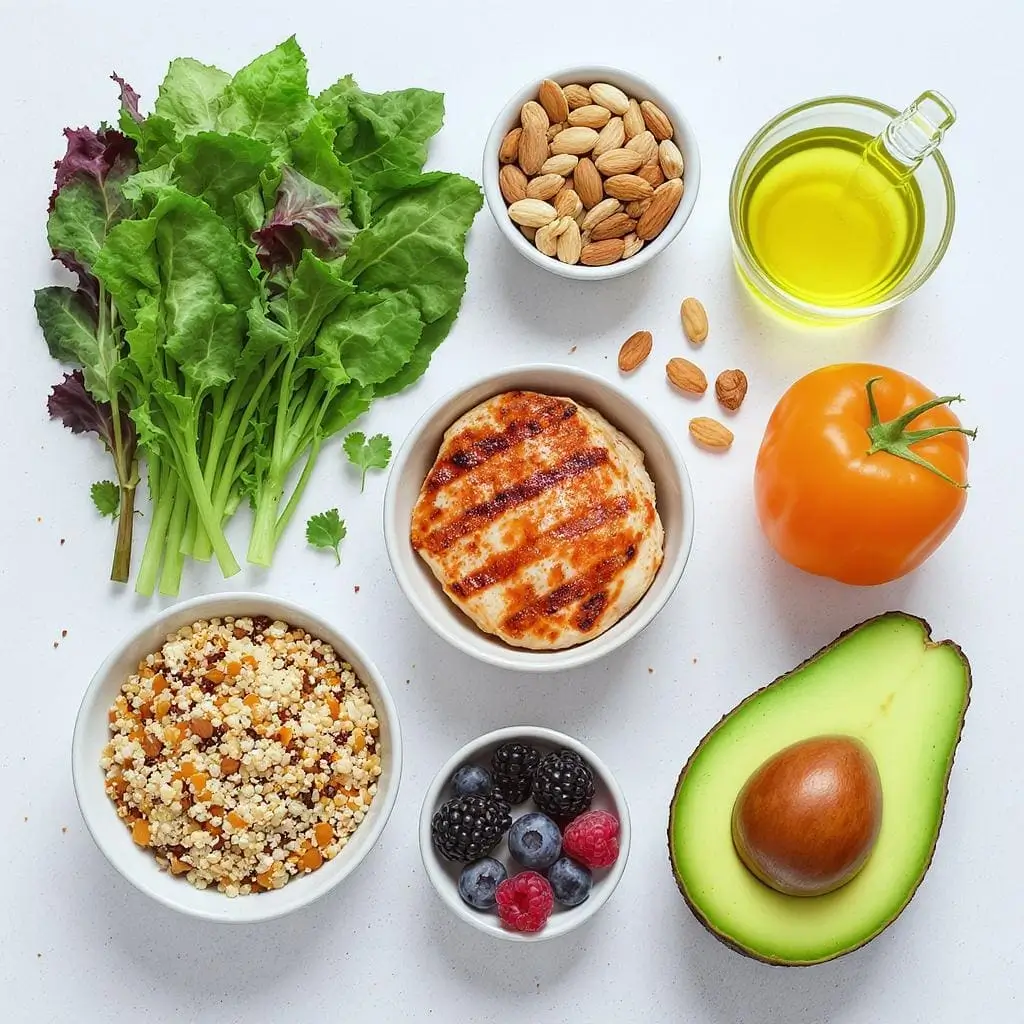
Think of these “ingredients” as the essential elements for better type 1 diabetes management:
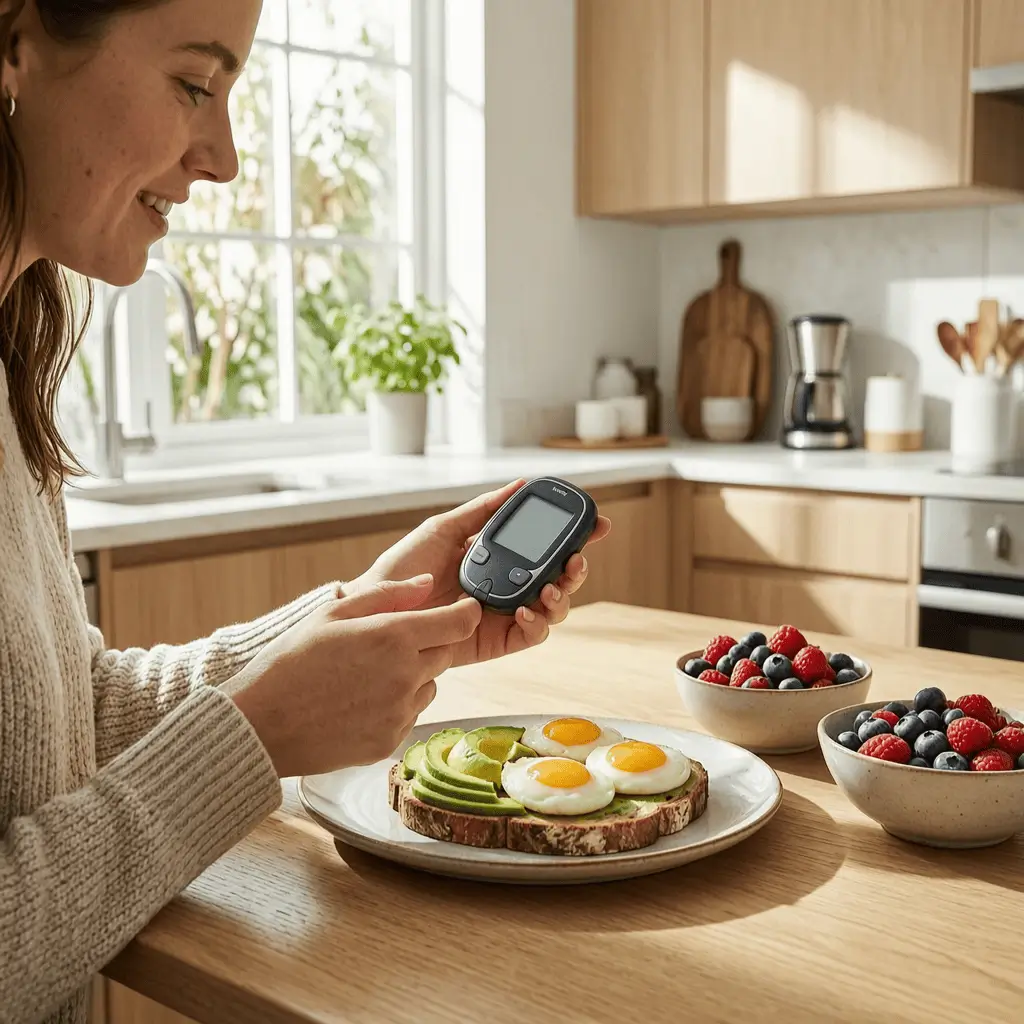
- 1 glucose monitor or continuous glucose monitor (CGM) for real-time tracking
- 1 balanced meal plan rich in fiber, lean protein, and healthy fats
- Fresh vegetables like spinach, broccoli, and peppers (low glycemic load)
- Whole grains such as quinoa or brown rice (slow-releasing carbs)
- Lean proteins like chicken, tofu, or fish for steady energy
- Healthy fats like avocado, olive oil, and nuts for satiety
- 1 daily movement routine (walking, yoga, or strength training)
- Hydration: at least 6–8 glasses of water
- Optional swaps: cauliflower rice instead of white rice, Greek yogurt instead of sugary snacks
These ingredients work together to stabilize blood glucose levels, reduce insulin spikes, and improve overall diabetes control.
Timing
- Preparation time: 10 minutes daily planning
- Execution time: Spread throughout the day
- Total lifestyle integration: Ongoing
Compared to complex diabetes regimens, this habit-based approach takes 30% less mental effort because it focuses on consistency over perfection.
Step-by-Step Instructions
Step 1: Start Your Day with Blood Sugar Awareness
Check your glucose levels as soon as you wake up. This sets the tone for your day. If you use a CGM, review overnight trends.
Tip: Pair this habit with brushing your teeth so it becomes automatic.
Step 2: Build Balanced Meals Every Time
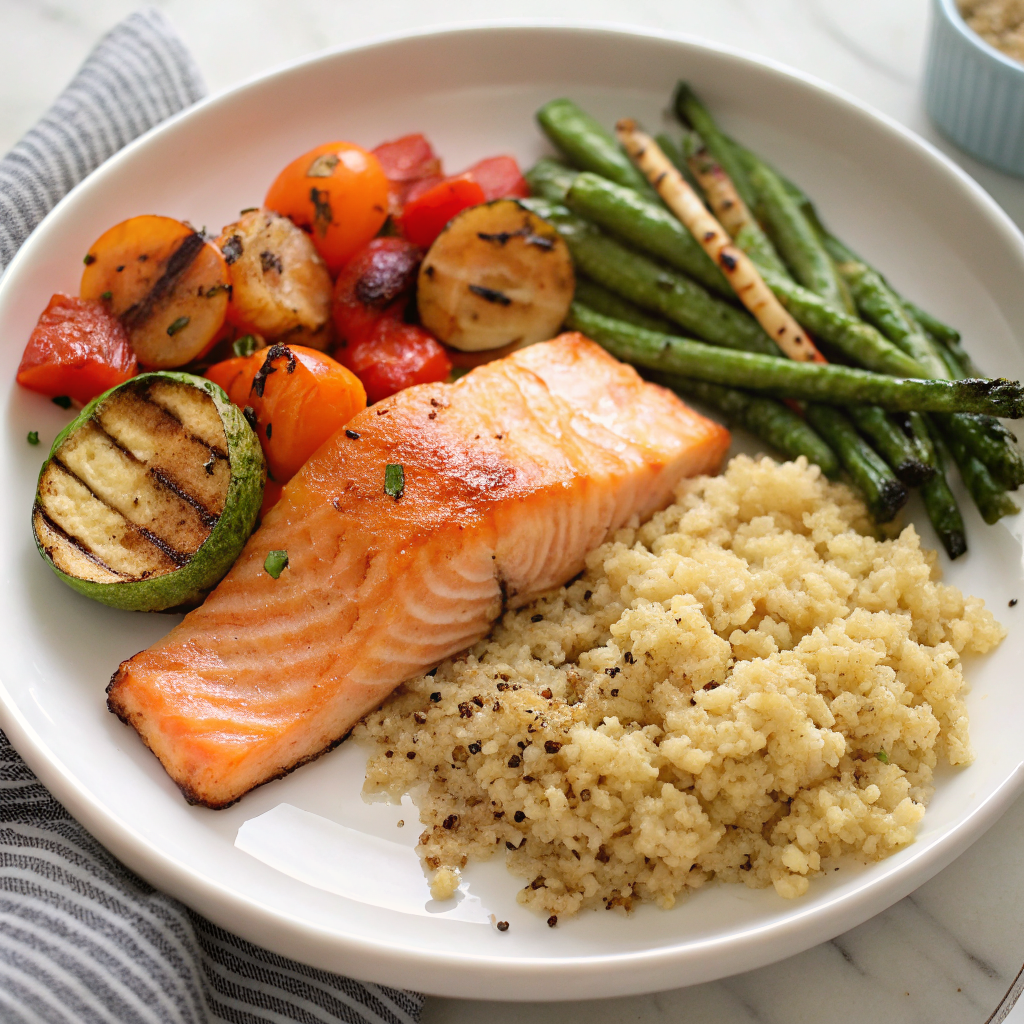
Each meal should include fiber, protein, and healthy fats to slow glucose absorption.
Example: Grilled chicken, quinoa, and roasted vegetables.
Tip: Aim for low glycemic index foods to prevent spikes.
Step 3: Move Your Body Strategically
Even 15–30 minutes of light exercise can improve insulin sensitivity by up to 40%.
Try walking after meals to reduce post-meal blood sugar spikes.
Tip: Consistency matters more than intensity.

Step 4: Hydrate for Better Glucose Control
Dehydration can elevate blood sugar levels. Drinking enough water helps your kidneys flush excess glucose.
Tip: Add lemon or cucumber for flavor without added sugar.
Step 5: Track, Reflect, and Adjust
Log your meals, insulin doses, and glucose levels. Patterns will emerge within days.
Tip: Use apps or journals to simplify tracking and improve decision-making.
Nutritional Information
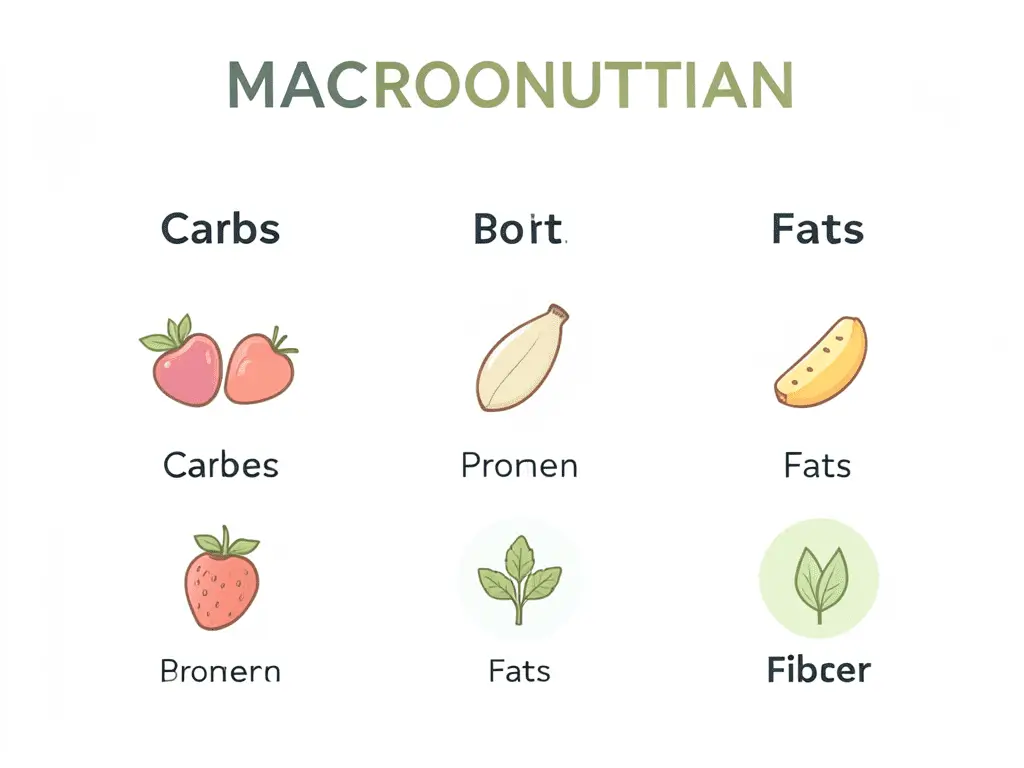
A balanced daily plan for type 1 diabetes typically includes:
| Nutrient | Percentage / Amount |
| Calories | 1,800–2,200 (varies by individual needs) |
| Carbohydrates | 45–55% (focus on complex carbs) |
| Protein | 15–25% |
| Fats | 25–35% (prioritize unsaturated fats) |
| Fiber | 25–35g daily |
Data shows that higher fiber intake can reduce post-meal glucose spikes by up to 20%, making it a key component in diabetes nutrition.
Healthier Alternatives for the Recipe
You can easily adapt your routine to suit different dietary needs:
- Swap white bread for whole grain or almond flour options
- Use plant-based proteins like lentils or chickpeas
- Replace sugary drinks with infused water or herbal tea
- Choose low-carb snacks like nuts instead of processed foods
These alternatives support stable blood sugar while keeping meals enjoyable and diverse.
Serving Suggestions
Make your daily routine more enjoyable with these ideas:
- Create a colorful plate with a variety of vegetables for visual appeal
- Prep meals in advance to reduce decision fatigue
- Pair meals with light activity, like a short walk
- Share your routine with family for support and accountability
Personalizing your habits increases long-term success and makes managing type 1 diabetes feel less restrictive.
Common Mistakes to Avoid

- Skipping meals, which can lead to unpredictable glucose levels
- Overcorrecting low blood sugar with too much sugar
- Ignoring hydration, which impacts glucose control
- Relying only on insulin without lifestyle adjustments
- Not tracking patterns, missing opportunities for improvement
Studies show that consistent tracking can improve glycemic control by up to 25%, making it one of the most impactful habits.
Storing Tips for the Recipe
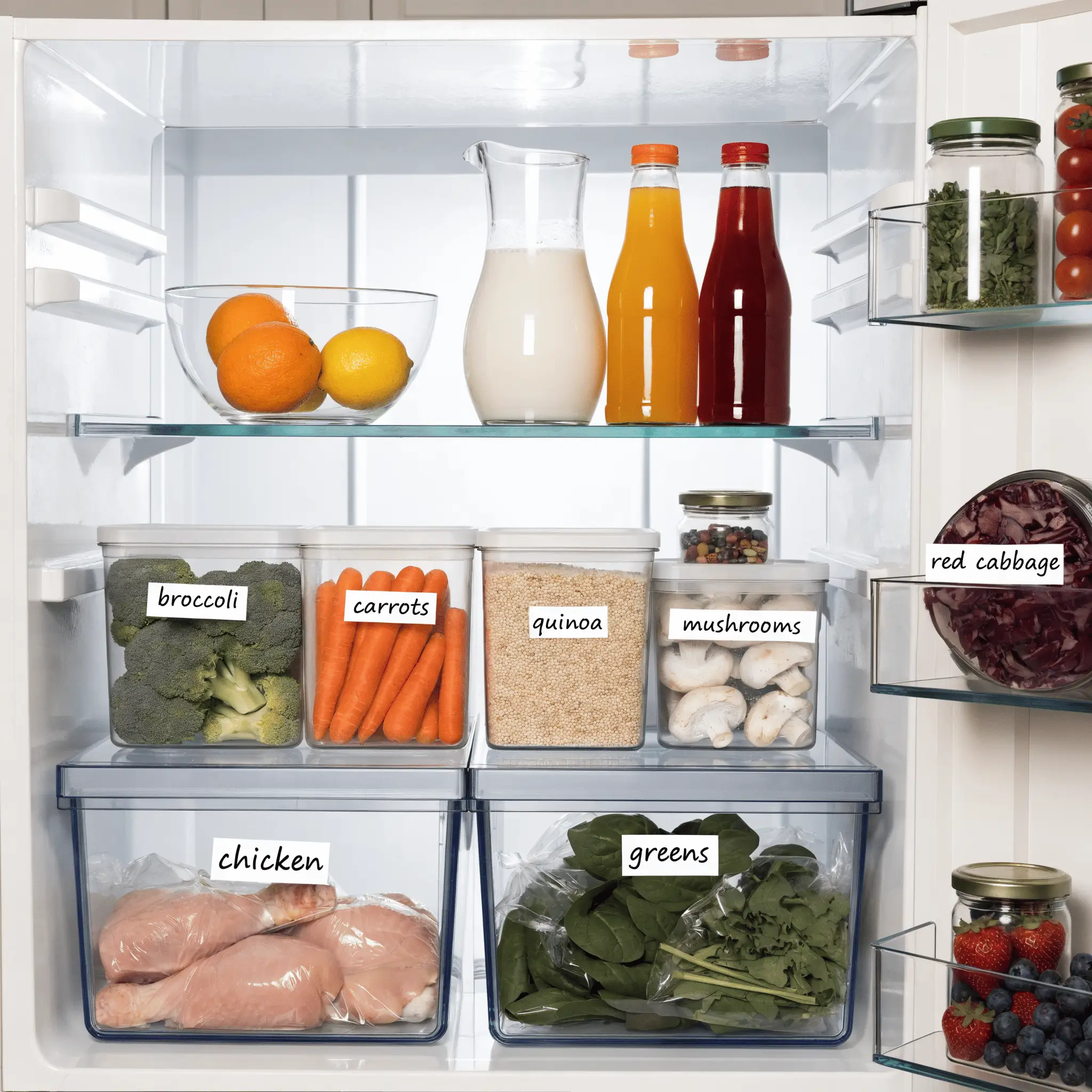
- Pre-cut vegetables and store them in airtight containers for quick meals
- Batch cook grains and proteins for the week
- Keep healthy snacks readily available to avoid impulsive choices
- Store insulin and supplies properly according to medical guidelines
Planning ahead reduces stress and helps maintain consistent habits.
Conclusion
Managing type 1 diabetes becomes easier with simple daily habits like balanced meals, regular movement, hydration, and tracking. These small actions create lasting improvements in blood sugar control and overall well-being. Try these habits today, share your experience in the comments, and subscribe for more practical tips and updates.

FAQs
What is the best diet for type 1 diabetes?
A balanced diet with complex carbs, lean protein, and healthy fats works best. Focus on low glycemic foods and consistent meal timing.
How often should I check my blood sugar?
Most people check 4–10 times daily or use a CGM for continuous monitoring, depending on their treatment plan.
Can exercise lower blood sugar quickly?
Yes, physical activity increases insulin sensitivity and can lower blood sugar within minutes, especially after meals.
Are carbs bad for type 1 diabetes?
Not at all. Carbs are essential, but choosing complex carbs and managing portions is key to stable glucose levels.
What is the biggest challenge in type 1 diabetes management?
Consistency. Small daily habits often matter more than occasional major efforts.
How can I prevent blood sugar spikes?
Combine carbs with protein and fat, stay active, hydrate, and monitor your glucose regularly.