Smoothie Breakfast Ideas: Best 9 Recipes for Weight Loss
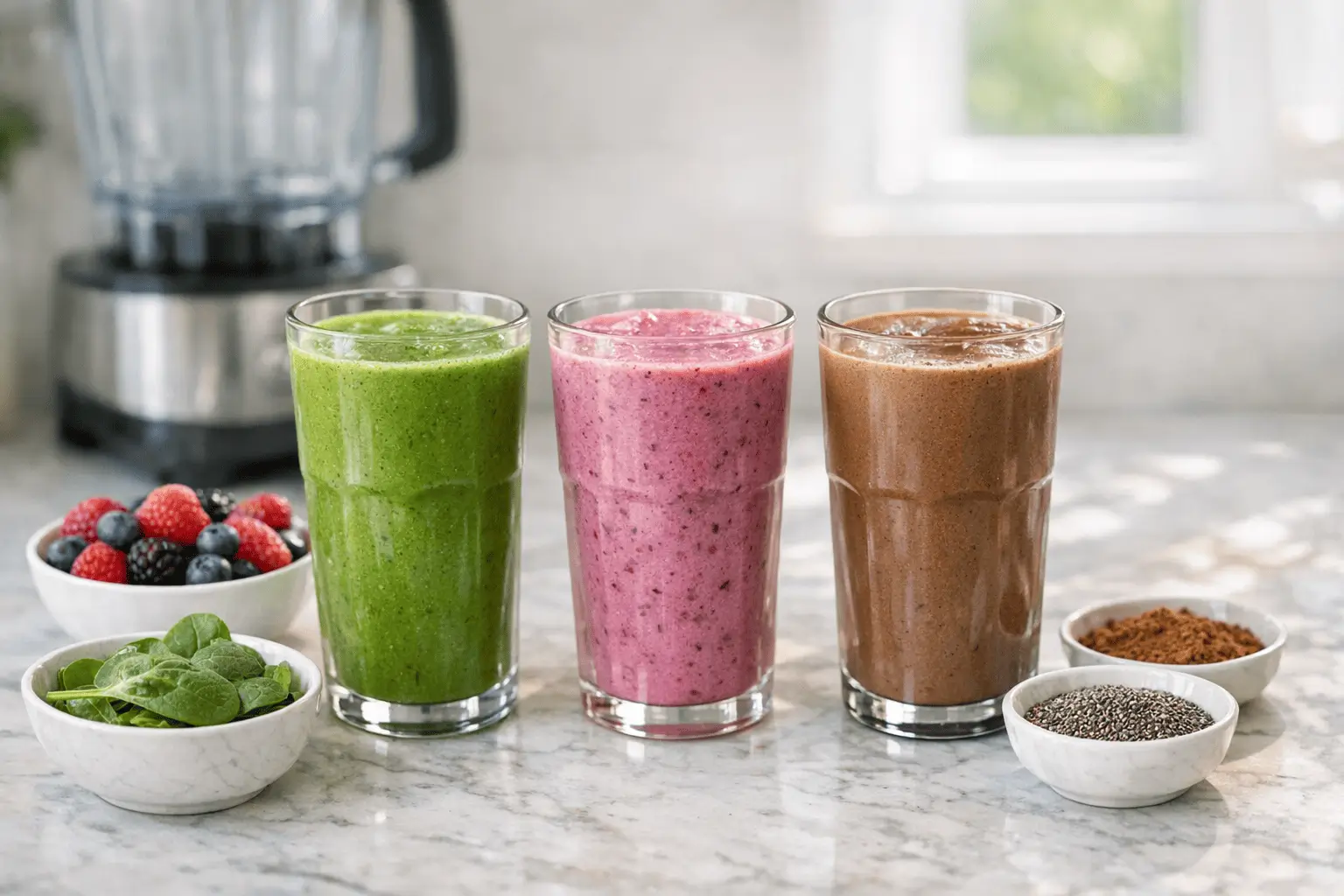
Have you ever noticed that the mornings you skip breakfast are the same days you end up “mysteriously” snacking harder at 3 p.m.—even if your lunch was normal? Research consistently links higher-protein, higher-fiber breakfasts with better appetite control later in the day (via hormones like PYY and GLP-1), which is why these smoothie breakfast ideas are built like real meals—not sugary drinks. Below you’ll get 9 weight-loss-friendly breakfast smoothies designed to support satiety, stable blood sugar, and steady energy—with simple swaps for dairy-free, vegan, low-sugar, and nut-free needs.
Ingredients List
Each recipe uses the same “weight-loss smoothie framework”:
- Protein (15–30g): collagen peptides, whey/pea protein, Greek yogurt, kefir, cottage cheese
- Fiber (5–10g): chia seeds, ground flaxseed, oats, berries, spinach
- Healthy fats (5–15g): nut/seed butter, avocado, chia/flax
- Low-sugar flavor: cinnamon, cocoa, vanilla, coffee, ginger, lemon
The Best 9 Smoothie Breakfast Ideas (with substitutions)
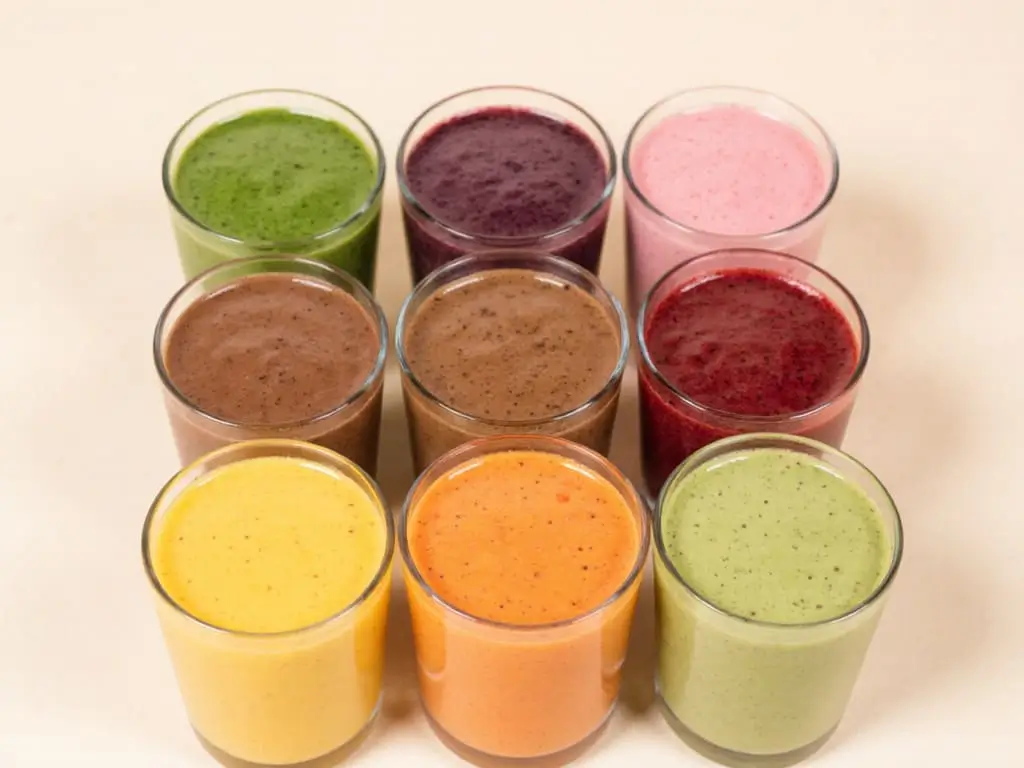
1) Green Glow Metabolism Booster (balanced + cravings control)
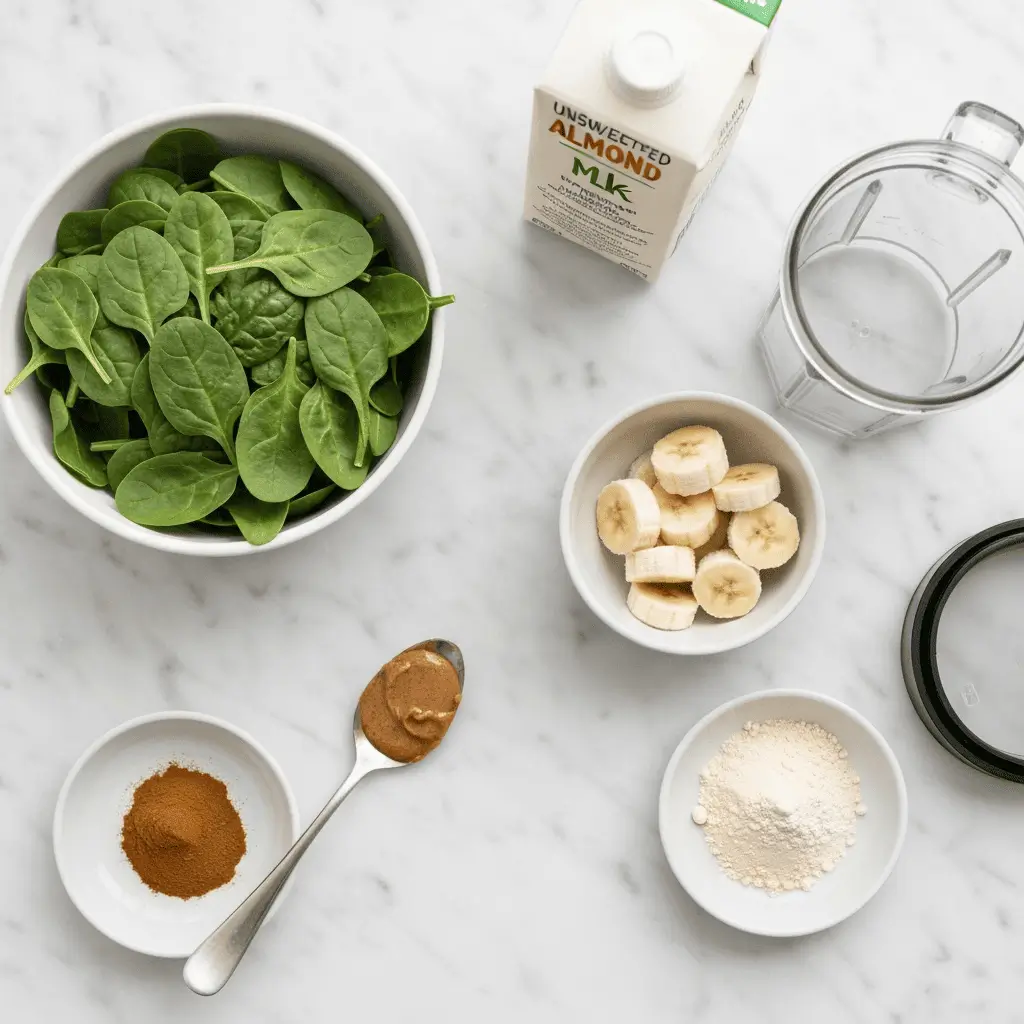
- 1 cup unsweetened almond milk (or oat milk)
- 2 cups spinach (or kale)
- 1/2 frozen banana (or 1/2 cup frozen cauliflower for lower sugar)
- 1 scoop collagen peptides (or whey/pea protein)
- 1 tbsp almond butter (or sunflower seed butter)
- 1/2 tsp cinnamon
2) Berry Cheesecake Protein Smoothie (high-protein, dessert-like)
- 1 cup unsweetened almond milk
- 3/4 cup plain Greek yogurt (or soy yogurt)
- 1 cup frozen mixed berries
- 1 scoop vanilla protein
- 1 tbsp chia seeds
- 1/4 tsp vanilla extract + squeeze of lemon (bright “cheesecake” flavor)
3) Mocha Oat Fuel Smoothie (energy + fiber)
- 1 cup cold brew coffee (or decaf)
- 1/2 cup unsweetened almond milk
- 1/3 cup rolled oats (or oat fiber for lower carbs)
- 1 scoop chocolate protein
- 1 tbsp cocoa powder
- 1 tsp ground flaxseed
4) Tropical Gut-Reset Kefir Smoothie (gut health + protein)
- 1 cup plain kefir (or coconut kefir)
- 1/2 cup frozen mango
- 1/2 cup frozen pineapple
- 1 tbsp hemp hearts
- 1/2 inch fresh ginger (or 1/4 tsp ginger powder)
- Handful of spinach (optional—tastes surprisingly tropical)
5) PB&J Recovery Smoothie (post-workout friendly)
- 1 cup unsweetened almond milk
- 1 scoop vanilla protein
- 1 tbsp peanut butter (or powdered PB for fewer calories)
- 1 cup frozen strawberries or raspberries
- 1 tbsp ground flaxseed
6) Chocolate Cherry “Brownie” Smoothie (sweet tooth fix)
- 1 cup unsweetened almond milk
- 1 scoop chocolate protein
- 1 cup frozen dark cherries
- 1 tbsp cocoa powder
- 1 tbsp chia seeds
- Pinch of salt (makes chocolate taste richer)
7) Pumpkin Pie Protein Smoothie (fall flavor, year-round)
- 1 cup unsweetened almond milk
- 1/2 cup pumpkin purée
- 1 scoop vanilla protein
- 1 tbsp almond butter
- 1/2 tsp pumpkin pie spice
- Optional: 1–2 pitted dates (or monk fruit for low sugar)
8) Citrus-Ginger Fatigue-Fighter Smoothie (bright + hydrating)
- 1 cup coconut water (or water + pinch of salt)
- 1/2 cup Greek yogurt (or tofu for dairy-free)
- 1 orange (peeled) or 3/4 cup orange segments
- 1 tbsp chia seeds
- Fresh ginger + squeeze of lime
9) Savory Avocado Green Smoothie (low sugar, very filling)
- 1 cup unsweetened almond milk (or water)
- 1/2 avocado
- 1 cup cucumber
- Handful spinach
- 1 scoop unflavored protein (or collagen)
- Lemon juice + pinch of salt
Timing
- Prep time: 5 minutes
- Blend time: 45–60 seconds
- Total time: ~6 minutes
Data context: Compared with cooking eggs + toast (often 15–20 minutes including cleanup), these smoothies are typically 60–70% faster, which is why they’re excellent for consistency—the #1 driver of results.
Step-by-Step Instructions
Step 1: Build the base (liquid first)
Pour your liquid into the blender first (almond milk, kefir, coffee, coconut water).
- Tip: Liquid-first blending reduces dry clumping and usually blends faster and smoother, especially with protein powder and cocoa.
Step 2: Add greens + frozen fruit for texture
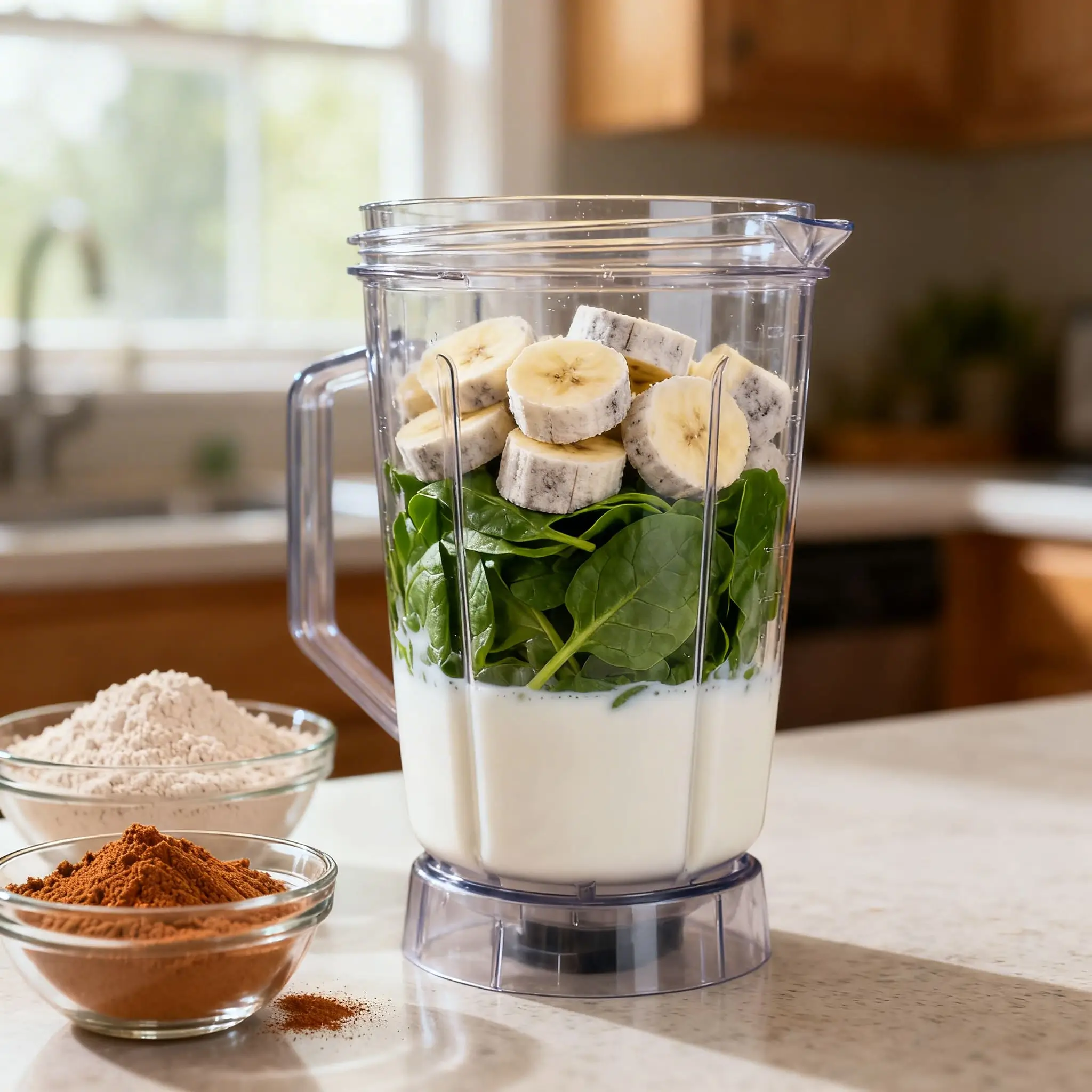
Add spinach/kale (if using), then frozen fruit/banana/cauliflower.
- Tip: Frozen ingredients create a thick, milkshake texture without needing ice (which can water down flavor).
Step 3: Add protein, fiber, and fats on top
Add protein powder/collagen, then chia/flax/oats, then nut/seed butter or avocado.
- Tip: If you’re aiming for weight loss, treat this as a meal replacement smoothie—protein + fiber is the “fullness combo.”
Step 4: Blend smart (and adjust thickness)
Blend 45–60 seconds, starting low and moving to high.
- Too thick? Add 2–4 tbsp liquid.
- Too thin? Add a few frozen berries or 1 tbsp chia and let sit 2 minutes.
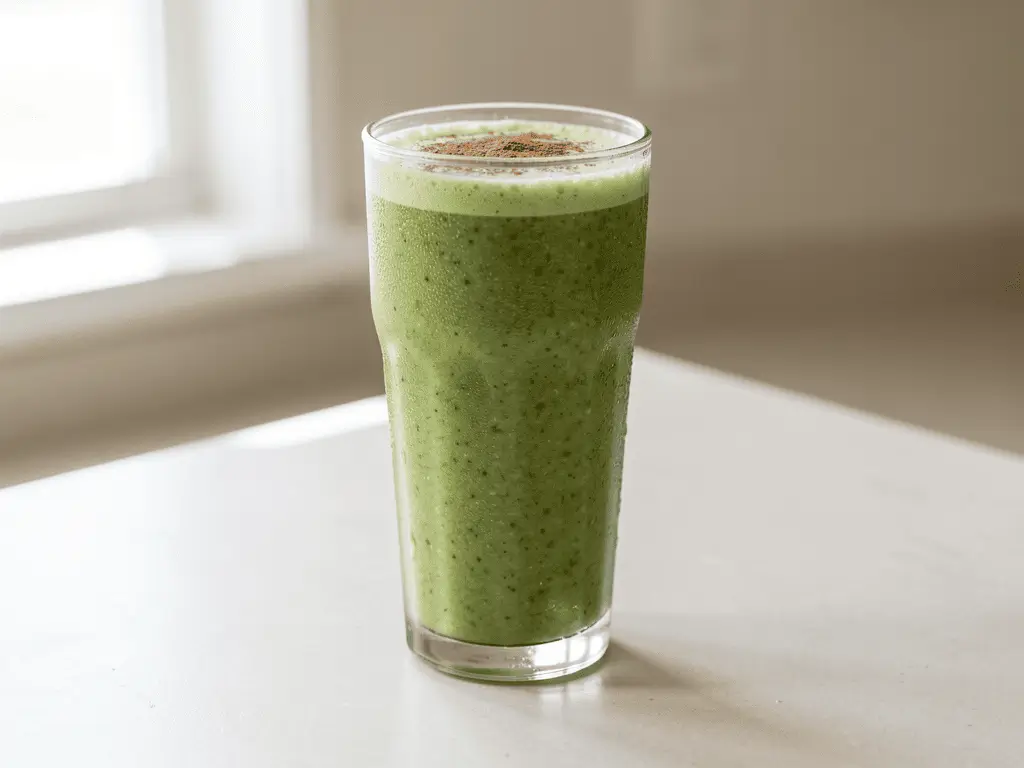
Step 5: Make it satisfying (the overlooked “satiety hack”)
Pour into a glass or bowl and slow down.
- Tip: Taking 10–15 minutes to consume it (instead of chugging) improves perceived fullness for many people—your brain needs time to register the meal.
Nutritional Information
Macros vary by brand and portion size, but these are typical estimates for 1 smoothie made as written.
| Recipe | Calories | Protein | Fiber | Sugar (mostly natural) |
| 1) Green Glow | ~320 | ~18–25g | ~7g | ~10–14g |
| 2) Berry Cheesecake | ~330 | ~30–40g | ~8–10g | ~12–18g |
| 3) Mocha Oat Fuel | ~350 | ~25–35g | ~6–8g | ~6–12g |
| 4) Tropical Kefir | ~300 | ~18–28g | ~4–7g | ~14–22g |
| 5) PB&J | ~340 | ~25–35g | ~8–10g | ~8–14g |
| 6) Chocolate Cherry | ~330 | ~25–35g | ~8–12g | ~12–18g |
| 7) Pumpkin Pie | ~360 | ~25–35g | ~7–10g | ~10–18g |
| 8) Citrus-Ginger | ~280 | ~20–30g | ~6–10g | ~14–20g |
| 9) Savory Avocado | ~320 | ~25–35g | ~8–11g | ~3–7g |
Data insight (why these work for weight loss)
- Many studies show higher-protein breakfasts (often ~20–30g) can reduce hunger later in the day and support lean mass during weight loss.
- Fiber (5–10g+) slows digestion, supports gut health, and helps stabilize blood sugar—a key factor in craving control.
Healthier Alternatives for the Recipe
Use these swaps across all 9 smoothie breakfast ideas:
- Lower sugar: Replace banana/mango with frozen cauliflower, zucchini, or extra berries. Use cinnamon/vanilla/monk fruit for sweetness.
- Higher protein: Add 1/2 cup cottage cheese (blends creamy) or increase protein powder by 1/2 scoop.
- Vegan: Use pea/hemp protein, soy yogurt, and add 1 tbsp ground flaxseed for omega-3s.
- Nut-free: Use sunflower seed butter or tahini; skip nuts as toppings.
- Lower calorie: Use powdered peanut butter, reduce nut butter to 2 tsp, and increase berries/ice-free frozen volume.
- More filling (without many calories): Add 1 tbsp chia + extra spinach/cucumber—volume helps satiety.
Serving Suggestions
- Smoothie bowl option: Use less liquid for a spoonable texture; top with 1 tbsp pumpkin seeds + berries.
- Crunch factor (more satisfying): Add 1 tbsp cacao nibs or chopped almonds (or toasted coconut).
- “Grab-and-go” pairing: If you’re often hungry mid-morning, pair your smoothie with a boiled egg or high-fiber toast (small add-on, big satiety).
- Personalized tip: If you train in the morning, choose PB&J or Mocha Oat Fuel; if you’re sedentary until lunch, choose Green Glow or Savory Avocado for lower sugar.
*(Optional internal links for WordPress: “How to build a high-protein breakfast,” “Best blenders for smoothies,” “Healthy snack ideas under 150 calories.”)*
Common Mistakes to Avoid
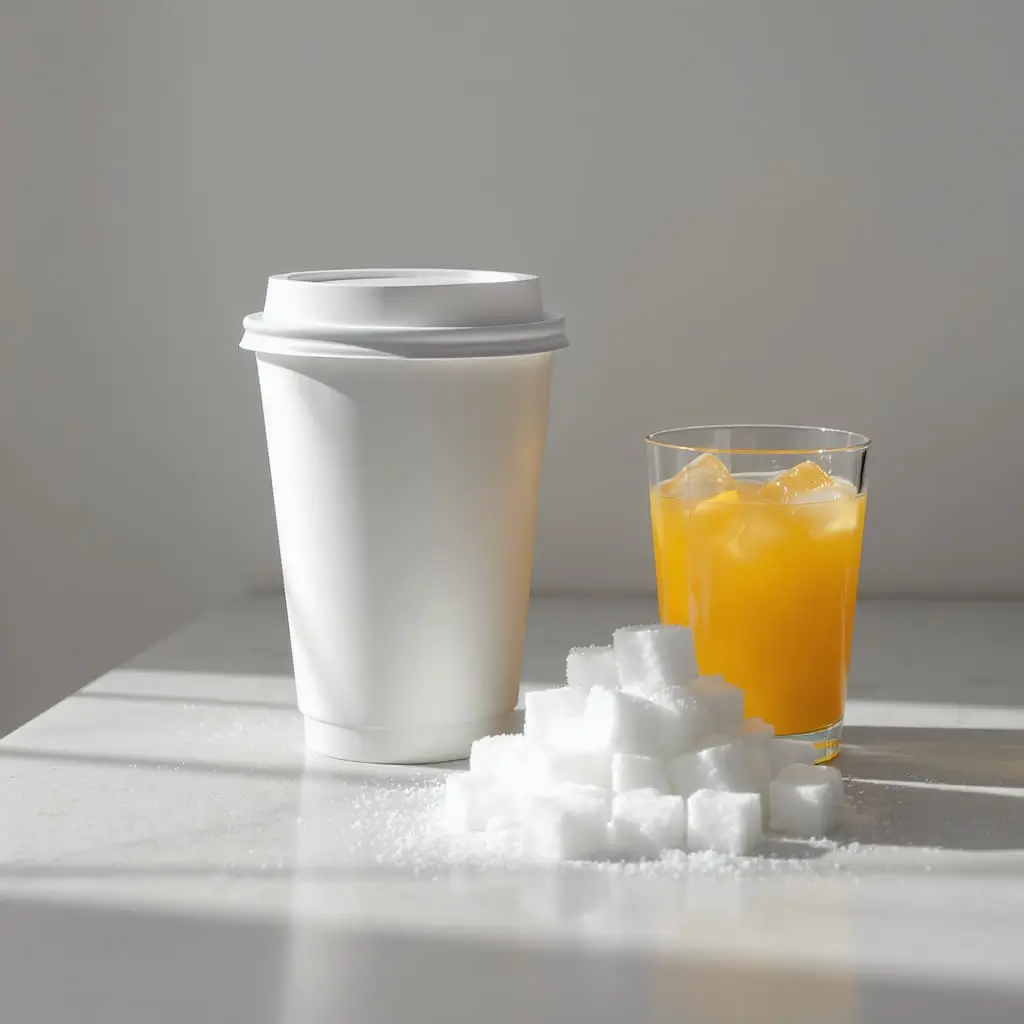
- Turning it into a sugar bomb (juice, honey, sweetened yogurt)
- Store-bought smoothies can be extremely high in sugar. For weight loss smoothies, keep sweetness from whole fruit, not juice.
- Skipping protein
- Fruit + milk alone often leads to a hunger rebound. Aim for 15–30g protein to make it a true breakfast.
- Overdoing nut butter
- Nut butter is healthy—but easy to overserve. Measure 1 tbsp (not a “heaping spoon”).
- Chugging it in 60 seconds
- Fast drinking reduces satiety. Sip slowly or make a bowl.
- Not balancing texture
- Watery smoothies feel less like a meal. Use frozen fruit, chia, oats, or yogurt for thickness.
Storing Tips for the Recipe
Freezer packs (best for busy mornings): Portion frozen fruit + spinach + chia/flax in bags/jars. In the morning, add liquid + protein and blend.
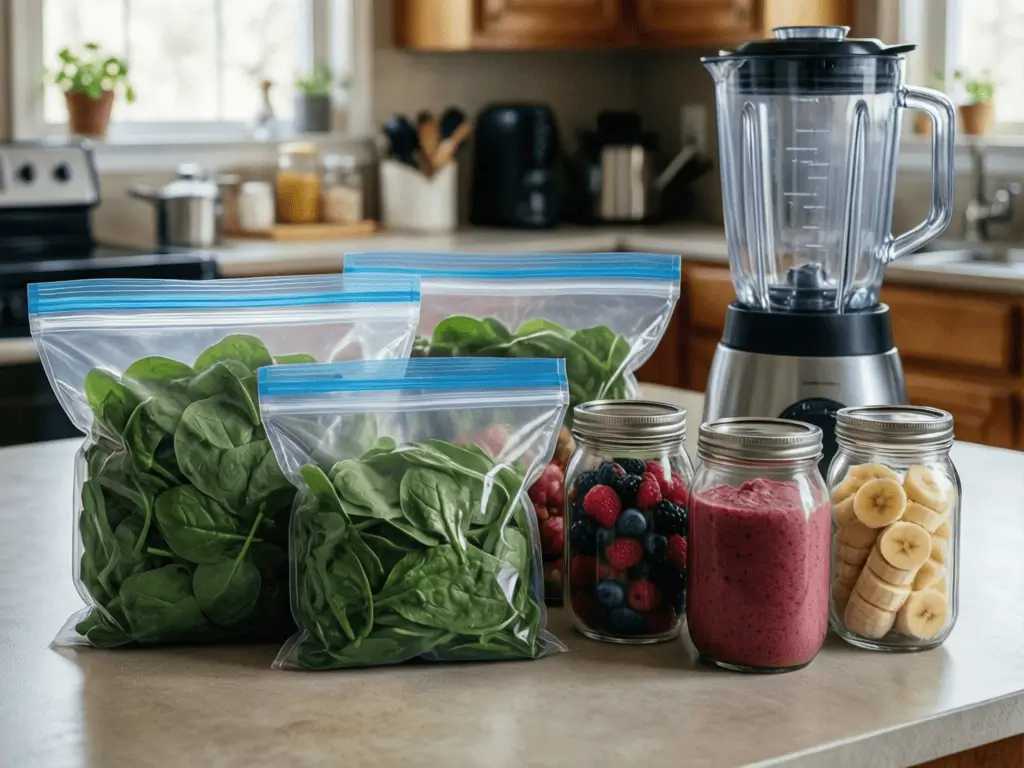
Refrigeration: Store in an airtight jar filled to the top (less air = less oxidation). Best within 24 hours.
Separation is normal: Shake or re-blend with a splash of liquid.
Avoid freezing finished smoothies unless you plan to re-blend—the texture can get icy. Freezing ingredients works better.
Conclusion
These smoothie breakfast ideas are designed for weight loss by combining protein, fiber, and healthy fats to keep you full and energized. Pick one of the 9 flavors, blend in under 6 minutes, and stay consistent. Try one tomorrow, leave a comment/review with your favorite, and subscribe for more updates.
FAQs
Q1: Are smoothie breakfast ideas actually good for weight loss?
Yes—when they’re built like meals: 15–30g protein, 5–10g fiber, and minimal added sugar. That combination supports fullness and reduces rebound cravings.
Q2: What’s the best liquid base for weight loss smoothies?
Unsweetened almond milk, water, or kefir are popular. Avoid fruit juice if your goal is lower sugar and better blood-sugar balance.
Q3: Can I drink a smoothie every day?
You can. Rotate fruits, greens (spinach/kale), and protein sources to improve nutrient variety and avoid flavor fatigue.
Q4: What if I don’t use protein powder?
Use Greek yogurt, cottage cheese, tofu, or kefir. You can also add collagen peptides if you’re not vegan.
Q5: How do I make my smoothie more filling without many calories?
Add spinach/cucumber (volume), chia/flax (fiber), and keep it thick with frozen berries. Also drink it slowly or make a smoothie bowl.
Q6: What blender settings work best?
Start low for 10 seconds, then high for 45–60 seconds. If your blender struggles, add a little more liquid first, then blend.