
Gestational Diabetes Symptoms: 7 Warning Signs to Know

Could You Have Gestational Diabetes Without Even Knowing It?
Did you know that up to 50% of women with gestational diabetes experience no obvious gestational diabetes symptoms at all?
That startling statistic, published by the Centers for Disease Control and Prevention (CDC), means millions of pregnant women could be navigating one of pregnancy’s most common complications entirely in the dark.
Gestational diabetes mellitus (GDM) affects approximately 2% to 10% of pregnancies in the United States each year, yet gestational diabetes symptoms often go unnoticed.
But here’s the empowering flip side: when caught early, gestational diabetes is highly manageable. Knowing what to
Important Disclaimer: This blog post
What Is Gestational Diabetes?
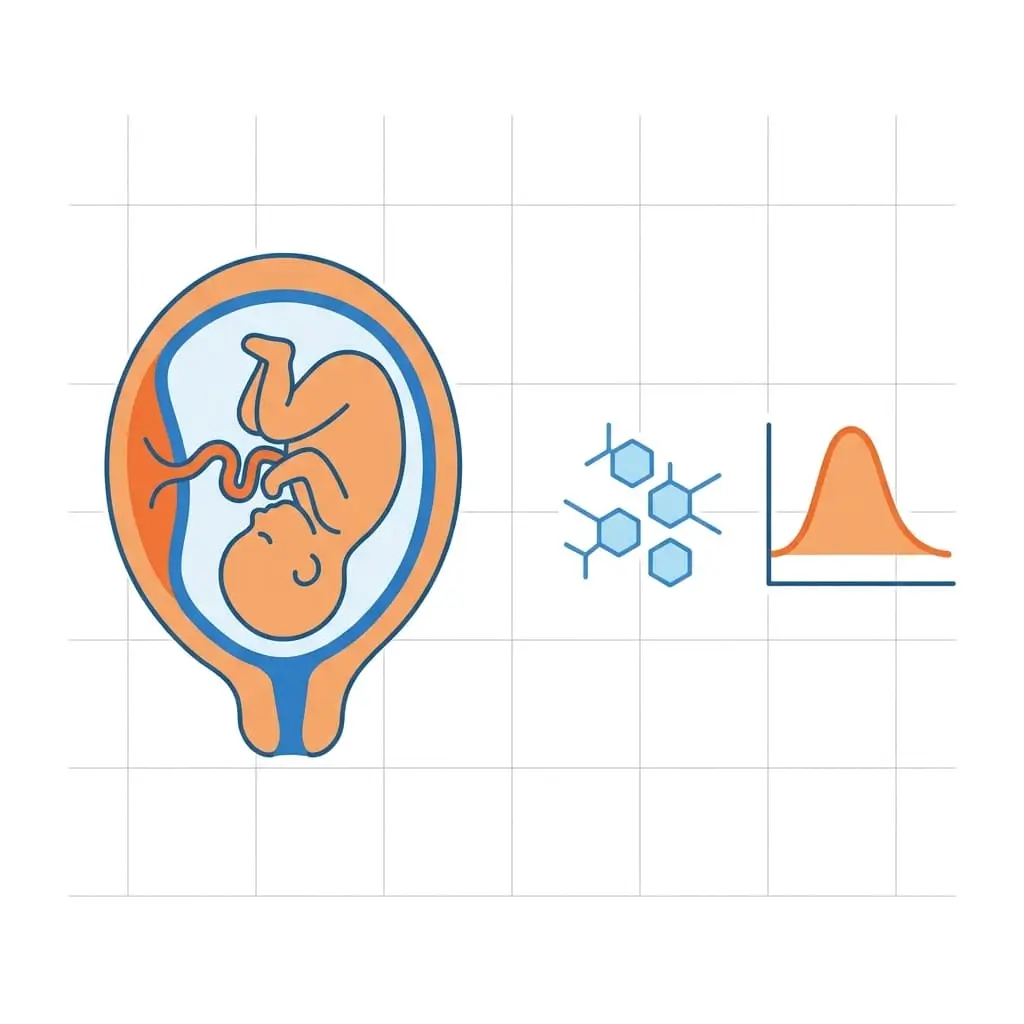
Before diving into the warning signs, let’s quickly establish what we’re dealing with. Gestational diabetes is a type of high blood sugar (hyperglycemia) that develops during pregnancy in
Key NLP-related terms you’ll encounter throughout this post:
- Blood glucose levels
- Insulin resistance
- Glucose tolerance test
- Hyperglycemia in pregnancy
- Pregnancy complications
- Prenatal screening
- Gestational diabetes risk
- High blood sugar during pregnancy
Understanding the language around this condition helps you have more informed conversations with your OB-GYN, midwife, or endocrinologist.
The 7 Warning Signs of Gestational Diabetes Symptoms
⚠️ Warning Sign #1: Excessive Thirst That Won’t Quit (Polydipsia)

One of the hallmark gestational diabetes symptoms is polydipsia — the medical term for abnormal, persistent thirst. When blood glucose levels rise above normal, your kidneys work overtime trying to filter the excess sugar, pulling fluid from surrounding tissues in the process. The result? You feel perpetually dehydrated, no matter how much water you drink.
What makes this tricky during pregnancy: Feeling thirsty is completely normal when you’re growing a human being. Your blood volume increases by up to 50% during pregnancy, naturally increasing your fluid needs. So how do you tell the difference?
Red flag indicators:
- Drinking more than 10–12 glasses of water per day and still feeling parched
- Waking up multiple times at night specifically because of thirst
- Dry mouth that persists despite consistent hydration
- Thirst that feels disproportionate to your physical activity or environmental heat
If your thirst feels overwhelming and unquenchable, it’s time to flag this as a potential gestational diabetes symptom for your healthcare provider.
⚠️ Warning Sign #2: Frequent Urination Beyond Normal Pregnancy Levels
Yes, frequent urination is essentially a rite of passage in pregnancy. But there’s a difference between needing to use the bathroom more often (normal) and urinating in unusually large volumes (a potential gestational diabetes symptom, known clinically as polyuria).
When blood sugar is elevated, your kidneys filter more glucose into the urine, drawing extra water along with it — producing larger quantities of urine each time.
The combination of excessive thirst (Sign #1) and excessive urination is a classic pairing of gestational diabetes symptoms that warrants clinical attention.
Data point: Research published in Diabetes Care indicates that urinary symptoms combined with elevated glucose readings are among the most reliable early indicators of uncontrolled blood sugar in pregnant women.
Ask yourself:
- Are bathroom trips significantly more frequent than in your previous trimesters?
- Are you producing noticeably larger amounts of urine each visit?
- Has this change happened suddenly rather than gradually?
⚠️ Warning Sign #3: Unusual Fatigue That Goes Beyond Pregnancy Tiredness
Every pregnant woman knows fatigue. Growing a baby is hard work, and exhaustion is expected — especially during the first and third trimesters. But the fatigue associated with gestational diabetes symptoms is qualitatively different. It’s a heavy, relentless tiredness that doesn’t respond to rest.

Here’s why it happens: When your cells can’t effectively use glucose for energy due to insulin resistance, your body becomes literally fuel-deprived at the cellular level. The result is a profound, pervasive exhaustion that sleep doesn’t fix.
Distinguishing gestational diabetes symptoms-related fatigue from normal pregnancy tiredness:
| Feature | Normal Pregnancy Fatigue | GDM-Related Fatigue |
|---|---|---|
| Improves with rest | Yes | Often no |
| Linked to activity level | Yes | Occurs even at rest |
| Associated with other symptoms | Rarely | Often yes (thirst, blurred vision) |
| Onset | Gradual | Can be sudden |
| Severity | Moderate | Often severe |
If you find yourself unable to function despite adequate sleep, bring this to your prenatal care team’s attention — especially if it’s accompanied by other symptoms on this list.
Warning Sign #4: Blurred or Fluctuating Vision
This gestational diabetes symptom surprises many women. Blurred vision can occur when high blood glucose levels cause the lens of the eye to swell due to fluid changes, temporarily distorting your ability to focus.
Vision changes in pregnancy can have multiple causes, but blurred or fluctuating vision paired with other gestational diabetes symptoms should be taken seriously. According to the American Academy of Ophthalmology, diabetic eye changes can begin early — even in gestational cases — making prompt screening important.
When to seek immediate care:
- Sudden or severe vision changes
- Blurring accompanied by headache and swelling (could indicate preeclampsia)
- Persistent visual disturbances that don’t resolve
Don’t dismiss changes in your eyesight as simply “pregnancy brain” affecting your vision. Your eyes can be remarkably revealing windows into your blood sugar health.
Warning Sign #5: Nausea or Vomiting Outside the First Trimester
Morning sickness is well-documented in early pregnancy, typically peaking around weeks 8–10 and resolving by week 14 for most women. So when nausea and vomiting resurface — or continue — well into the second trimester, it can signal elevated blood glucose levels disrupting normal digestive function.
Why it happens: High blood sugar affects gastric motility (the rate at which food moves through your digestive system), sometimes causing nausea, bloating, and discomfort. This is particularly relevant as a gestational diabetes symptom when it appears after the first trimester has passed.
Key distinction: This isn’t hyperemesis gravidarum (severe morning sickness), though that condition requires its own urgent medical attention. GDM-related nausea tends to be:
- Milder but persistent
- Associated with meals or after eating
- Accompanied by other blood sugar-related symptoms
Warning Sign #6: Recurrent Infections (Especially Yeast or Urinary Tract Infections)
Here’s a gestational diabetes symptom that many women — and even some healthcare providers — don’t immediately connect to blood sugar: frequent infections. Elevated glucose in the blood and urine creates a sugar-rich environment that bacteria and yeast absolutely thrive in.
The statistics are striking: Women with uncontrolled blood sugar during pregnancy are significantly more likely to experience recurrent vaginal yeast infections and urinary tract infections (UTIs) compared to those with normal glucose levels.
Warning patterns to watch for:
- More than two yeast infections during pregnancy
- Recurring UTIs that keep returning after treatment
- Slow-healing cuts or skin infections
- Persistent vaginal itching or unusual discharge
If you’re treating one infection after another and they keep coming back, ask your healthcare provider to check your blood glucose levels. The root cause may be metabolic, not just microbial.
⚠️ Warning Sign #7: Increased Hunger Despite Eating Adequately
The final major gestational diabetes symptom on our list is polyphagia — persistent, intense hunger even after eating a full meal. This happens because insulin resistance prevents glucose from entering your cells properly. Your cells, starving for energy they can’t access, send hunger signals to your brain — even when you’ve just eaten.
This is distinct from normal pregnancy hunger because:
- It occurs very soon after meals (within 1–2 hours)
- The hunger feels intense and urgent, not gradual
- Eating doesn’t bring satisfying relief
- It’s often paired with fatigue (your cells still aren’t getting the fuel they need)
Tracking your hunger patterns in a simple food and symptom journal can be an incredibly useful tool to share with your provider. Apps like MyFitnessPal or even a basic notepad can help you identify patterns that point to gestational diabetes risk.
Nutritional Information: What Does Gestational Diabetes Mean for Your Diet?
Managing gestational diabetes symptoms starts significantly with nutrition. Here’s a data-driven overview of what blood sugar management during pregnancy typically involves nutritionally:
General Gestational Diabetes Nutritional Guidelines (per day):
| Nutrient | General Recommendation |
|---|---|
| Carbohydrates | 175g minimum; focus on complex, low-GI sources |
| Protein | 71g per day (increased from 46g pre-pregnancy) |
| Fiber | 28g per day (helps slow glucose absorption) |
| Added Sugars | Minimize; less than 10% of total calories |
| Total Calories | Varies by pre-pregnancy BMI; typically 1,800–2,500 kcal |
| Meal Frequency | 3 small-medium meals + 2–3 snacks to prevent blood sugar spikes |
Blood Sugar Targets (per American Diabetes Association guidelines for GDM):
- Fasting: Less than 95 mg/dL
- 1 hour after meals: Less than 140 mg/dL
- 2 hours after meals: Less than 120 mg/dL
Healthier Alternatives: Managing Gestational Diabetes Through Smart Food Choices
One of the most empowering aspects of a gestational diabetes diagnosis is how much dietary choices can influence your blood glucose levels. Here are evidence-backed food swaps and strategies:
Smart Carbohydrate Swaps:
- White rice → Cauliflower rice or brown rice (significantly lower glycemic index)
- White bread → 100% whole grain or sourdough bread (fermentation reduces glycemic impact)
- Sugary cereals → Steel-cut oats with cinnamon (beta-glucan fiber slows glucose absorption)
- Fruit juice → Whole fresh fruit (fiber intact = slower sugar release)
- Regular pasta → Legume-based or whole wheat pasta
Protein Power Additions:
- Add Greek yogurt, eggs, or nut butters to meals and snacks to stabilize blood sugar
- Choose lean proteins (chicken, fish, legumes, tofu) over processed meats
Beneficial Additions:
- Cinnamon: Emerging research suggests it may improve insulin sensitivity
- Apple cider vinegar (diluted): May blunt post-meal blood sugar spikes
- Chia seeds and flaxseed: High in fiber and omega-3s, excellent for blood sugar regulation
For Vegetarian/Vegan Pregnancies:
Managing gestational diabetes on a plant-based diet is absolutely achievable. Focus on legumes, tempeh, edamame, and quinoa for complete proteins, and work with a registered dietitian who specializes in both prenatal nutrition and diabetes management.
Serving Suggestions: Building a Gestational Diabetes-Friendly Meal Plan
Think of meal planning for gestational diabetes as building a “plate formula” rather than following rigid rules:
The GDM Plate Method:
- ½ of your plate: Non-starchy vegetables (broccoli, spinach, zucchini, peppers)
- ¼ of your plate: Lean protein (grilled chicken, lentils, eggs, salmon)
- ¼ of your plate: Complex carbohydrates (quinoa, sweet potato, brown rice)
- On the side: Healthy fat (avocado, olive oil, a small handful of nuts)
Sample Day of GDM-Friendly Eating:
- Breakfast: Veggie omelet with two eggs + ½ cup steel-cut oats with berries and chia seeds
- Mid-Morning Snack: Apple slices with almond butter
- Lunch: Grilled salmon over a large leafy green salad with olive oil dressing + ½ cup quinoa
- Afternoon Snack: Greek yogurt (plain, full-fat) with walnuts
- Dinner: Stir-fried tofu with mixed vegetables over cauliflower rice
- Evening Snack (if needed): Small handful of mixed nuts + cheese
Pro tip: Always pair carbohydrates with protein and fat. This combination significantly blunts blood sugar spikes and keeps you satisfied longer — a win-win for gestational diabetes management.
Common Mistakes to Avoid When Managing Gestational Diabetes Symptoms
Navigating gestational diabetes for the first time comes with a steep learning curve. Here are the most common pitfalls — and how to sidestep them:
- ❌ Mistake #1: Skipping Meals to Lower Blood Sugar – The reality: Skipping meals causes blood sugar to drop too low (hypoglycemia) and then spike dramatically when you do eat. Consistent, balanced meals every 3–4 hours is the far more effective strategy.
- ❌ Mistake #2: Assuming “Healthy” Foods Are Always Safe – The reality: Foods like fruit smoothies, whole grain granola, and honey are often perceived as healthy but can cause significant blood sugar spikes. Always check how your body responds with a glucometer.
- ❌ Mistake #3: Ignoring Physical Activity – The reality: Research consistently shows that 30 minutes of moderate walking after meals can reduce post-meal blood sugar levels by 20–30%. Exercise is a powerful, underutilized tool.
- ❌ Mistake #4: Not Monitoring Blood Sugar Regularly – The reality: Symptoms alone cannot tell you whether your blood glucose is in range. Regular monitoring with a glucometer (as directed by your provider) is essential for effective management.
- ❌ Mistake #5: Going It Alone – The reality: A multidisciplinary team — OB-GYN, endocrinologist, and registered dietitian — produces dramatically better outcomes than self-management alone. Build your team early.
- ❌ Mistake #6: Assuming It Will Resolve Itself – The reality: While gestational diabetes typically resolves after delivery, women with GDM have a 50% lifetime risk of developing Type 2 diabetes.
thehttps://www.cdc.gov/diabetes/about/gestational-diabetes.htmlCtDCPost-partum screening and lifestyle changes are critical.
Storing Tips: Staying Organized for Gestational Diabetes Management
Managing gestational diabetes is a daily practice. Here are practical organizational strategies to keep you consistent and stress-free:
Meal Prep Strategies:
- Batch cook proteins on Sundays: Grill a large batch of chicken, hard-boil eggs, and cook a big pot of lentils to use throughout the week
- Pre-portion snacks: Divide nuts, cheese cubes, and veggie sticks into grab-and-go containers to prevent overeating and ensure balanced snacking
- Freeze GDM-friendly meals: Soups and stews with lean proteins and vegetables freeze beautifully for busy days
Tracking and Organization:
- Keep a blood sugar log: Record fasting and post-meal readings in a dedicated notebook or app (Dario, mySugr, or One Drop are excellent options)
- Meal prep your glucometer bag: Stock it with lancets, test strips, alcohol swabs, and a snack — keep it accessible at all times
- Store complex carbs in clear containers at eye level in your fridge and pantry so the smartest choices are always the most convenient ones
Grocery Shopping Tips:
- Shop the perimeter of the store first (fresh produce, proteins, dairy)
- Read nutrition labels and prioritize foods with fiber ≥ 3g and sugar ≤ 5g per serving
- Keep a running grocery list organized by food category to save time and reduce impulse purchases
Conclusion: Knowledge Is Your Most Powerful Prenatal Tool
If you notice any gestational diabetes symptoms on this list, don’t wait for your routine screening — speak with your provider today.
We’d love to hear from you! Have you experienced any of these gestational diabetes symptoms? Share your story, questions, or tips in the comments below — your experience might be exactly what another mama-to-be needs to read today. If you found this guide helpful, subscribe to our newsletter for weekly pregnancy health insights, gestational diabetes-friendly recipes, and expert-backed wellness tips delivered straight to your inbox.
Frequently Asked Questions (FAQs) About Gestational Diabetes Symptoms
Q1: When do gestational diabetes symptoms typically appear?
A: Gestational diabetes typically develops around weeks 24–28 of pregnancy, which is why the standard glucose tolerance screening is scheduled during this window. However, women at higher risk may be screened earlier. Symptoms, when present, usually emerge during this same timeframe — though many women experience no noticeable symptoms at all.
Q2: Can you have gestational diabetes without any symptoms?
A: Absolutely — and this is one of the most important things to understand. Research suggests that the majority of women with gestational diabetes have no obvious symptoms. This is precisely why prenatal glucose screening is universal and non-negotiable, regardless of how you feel.
Q3: What are the risk factors for gestational diabetes beyond symptoms?
A: Key gestational diabetes risk factors include:
- Pre-pregnancy BMI over 25
- Family history of Type 2 diabetes
- Previous gestational diabetes
- Polycystic ovary syndrome (PCOS)
- Age over 35
- Hispanic, Black, Native American, Asian, or Pacific Islander heritage
- Previous delivery of a baby weighing over 9 pounds
Q4: How is gestational diabetes diagnosed?
A: Diagnosis involves a glucose challenge test (GCT) followed by a 3-hour oral glucose tolerance test (OGTT) if the initial screening is elevated. You’ll drink a glucose solution and have your blood drawn at specific intervals to measure how your body processes sugar.
Q5: Will gestational diabetes go away after pregnancy?
A: For most women, yes — blood sugar levels typically return to normal after delivery. However, women with a history of gestational diabetes have a 50% risk of developing Type 2 diabetes within 5–10 years, according to the CDC. Post-partum glucose screening at 4–12 weeks after delivery is essential, as is adopting long-term lifestyle habits that support metabolic health.
Q6: Can gestational diabetes affect my baby?
A: Yes, if left unmanaged. Potential complications for the baby include:
- Macrosomia (large birth weight, over 9 lbs), which can complicate delivery
- Hypoglycemia at birth (baby’s blood sugar drops after delivery)
- Premature birth
- Increased risk of obesity and Type 2 diabetes later in the child’s life
- Respiratory distress syndrome
The excellent news: proper management dramatically reduces all of these risks.
Q7: Is gestational diabetes my fault? Did I cause it?
A: This is one of the most emotionally charged questions around gestational diabetes — and the answer is a firm no. Gestational diabetes is caused by hormonal changes during pregnancy that create insulin resistance. It is not caused by eating too much sugar or poor lifestyle choices before pregnancy. Certain risk factors exist, but gestational diabetes can occur in perfectly healthy women with no identifiable risk factors. Release the guilt and focus your energy on management and support.