
What Is Gestational Diabetes: Best Guide for New Moms
Gestational diabetes is a common pregnancy condition, but with the right knowledge you can manage it easily.
Gestational diabetes is what Sarah heard at her 26-week appointment, and she went home and cried into a bowl of pasta.
She thought her pregnancy was ruined. If you have just been diagnosed with gestational diabetes, you might feel the same way. Sound familiar?
“Here is the truth about gestational diabetes: you are not alone, and this condition is absolutely manageable.”
“According to the Centers for Disease Control and Prevention (CDC) , gestational diabetes mellitus (GDM) affects approximately 6 to 9 percent of all pregnancies in the United States each year.”
That means hundreds of thousands of moms just like you face this diagnosis and go on to have healthy, beautiful babies.
In this post, you will learn exactly what gestational diabetes is, how it affects your body, what to eat, what to avoid, and how to take confident control of your health. Plus, stay until the end for a free downloadable meal plan and blood sugar log.

What Is Gestational Diabetes?
Gestational diabetes is a Gestational diabetes is a type of diabetes that develops during pregnancy in women who did not have diabetes before. In simple terms, gestational diabetes means your body cannot produce enough insulin to handle the extra demands of pregnancy.
type of diabetes that develops during pregnancy in women who did not have diabetes before. It happens because pregnancy hormones — especially human placental lactogen — can block the normal action of insulin. This is called insulin resistance.
Your pancreas tries to compensate by making more insulin, but sometimes it simply cannot keep up. When that happens with gestational diabetes, blood sugar levels rise higher than they should.
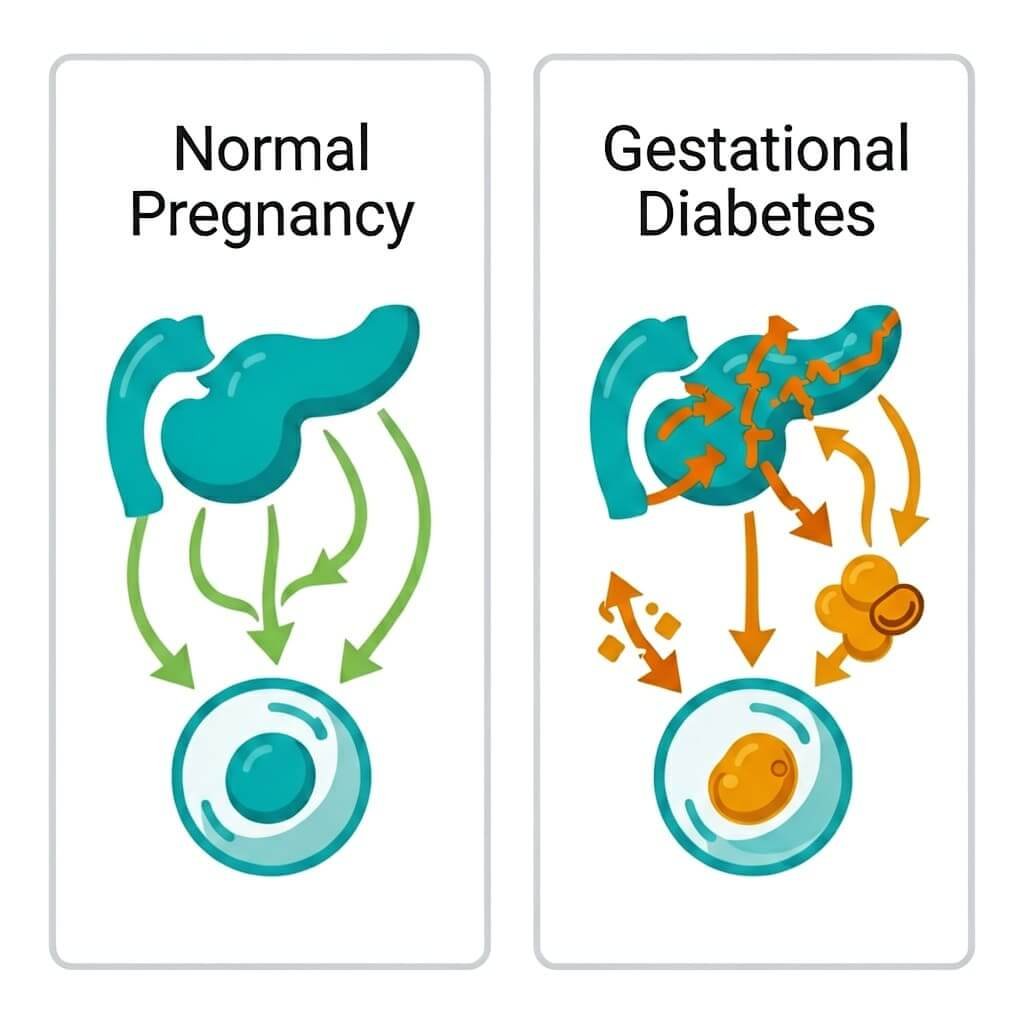
- Gestational diabetes affects 6–9% of US pregnancies (CDC, 2023).
- Most women who develop GDM have no prior history of diabetes.
- With the right management, the vast majority go on to deliver healthy babies.
The good news? GDM is one of the most manageable pregnancy complications when caught early and handled with the right tools, knowledge, and support.
The Key Principles of GDM-Friendly Eating
Before we dive into specific tips, let us lay the foundation. Managing blood sugar through food is one of the most powerful tools you have.
“Here are the five core principles every new mom with GDM needs to know, based on Cleveland Clinic’s Gestational Diabetes Diet Plan .”
- Control your carbohydrates, do not eliminate them. Carbs raise blood sugar, but your baby still needs them for growth. Focus on portion size and quality.
- Pair carbs with protein and fat. This slows glucose absorption and keeps blood sugar stable after meals.
- Eat consistently throughout the day. Skipping meals causes blood sugar swings. Aim for three small meals and two to three snacks.
- Choose fiber-rich, low-glycemic foods. Fiber slows digestion and prevents spikes. Think vegetables, legumes, and whole grains.
- Monitor your portions. Even healthy foods can spike blood sugar when eaten in large quantities.
Good Choices vs. Poor Choices at a Glance
| Food Category | GDM-Friendly Choice | Choice to Limit |
|---|---|---|
| Grains | Steel-cut oats, quinoa, whole grain bread | White rice, white bread, sugary cereals |
| Fruit | Berries, green apple, pear | Watermelon, grapes, fruit juice |
| Dairy | Plain Greek yogurt, cheese, unsweetened milk | Flavored yogurt, sweetened condensed milk |
| Snacks | Nuts, hummus with veggies, hard-boiled eggs | Crackers, cookies, candy bars |
| Drinks | Water, sparkling water, herbal tea | Soda, fruit punch, sweetened coffee drinks |
Your Best Guide: Practical Tips for Managing Gestational Diabetes as a New Mom
This is the heart of your journey. Here are the most important, doctor-aligned strategies to help you thrive with GDM.
Tip 1: Test Your Blood Sugar as Directed
The American Diabetes Association (ADA) recommends checking blood glucose levels fasting and one to two hours after meals. This tells you exactly how your body responds to food and activity. Keep a log — your healthcare team will love you for it.
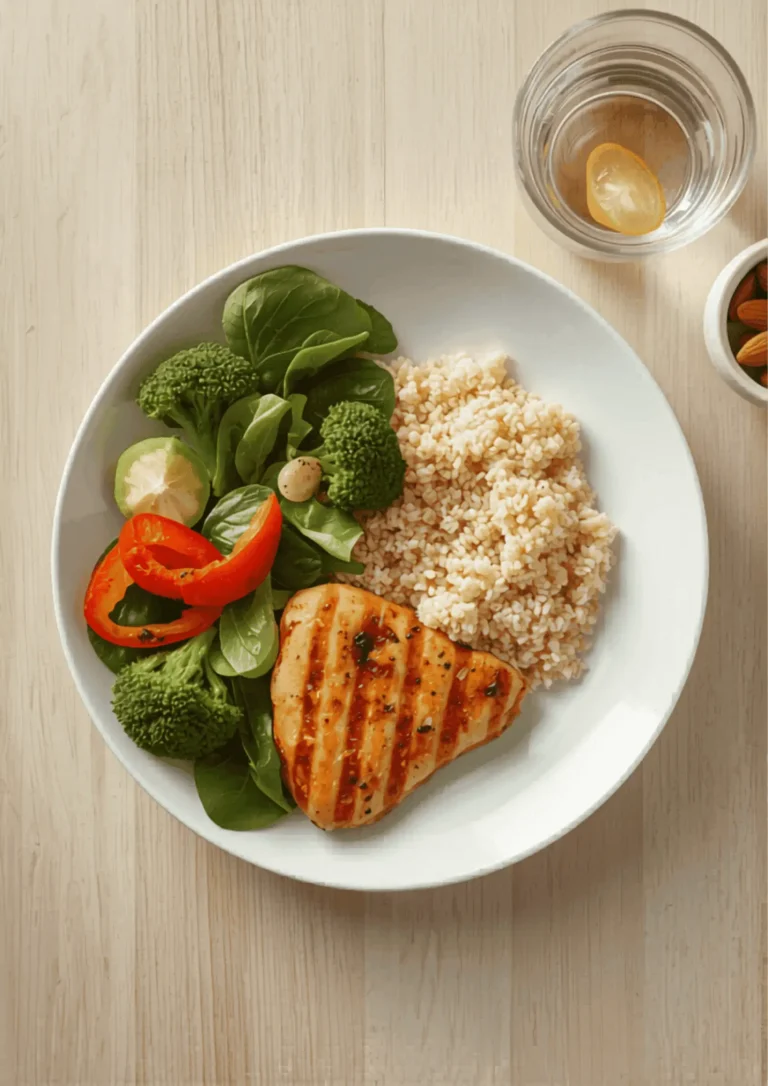
Tip 2: Build a Balanced Plate at Every Meal
Use the plate method recommended by diabetes educators:
- Half your plate: non-starchy vegetables (broccoli, spinach, zucchini)
- One quarter: lean protein (chicken, eggs, tofu)
- One quarter: quality carbohydrates (brown rice, sweet potato, beans)
This simple visual keeps portions in check without counting every gram.
Tip 3: Move Your Body After Meals
A 10 to 15 minute walk after eating can significantly lower post-meal blood sugar levels, according to research published by the American College of Obstetricians and Gynecologists (ACOG). You do not need a gym. A gentle neighborhood stroll works beautifully.
Tip 4: Stay Hydrated All Day
Dehydration can raise blood sugar levels. Aim for 8 to 10 cups of water daily. Add lemon slices or cucumber for flavor if plain water feels boring.
Tip 5: Work Closely With Your Healthcare Team
GDM management is a team sport. Your OB, a registered dietitian, and a certified diabetes educator are your greatest allies. Do not hesitate to ask questions at every appointment. If something is not working, speak up — your plan can always be adjusted.
Tip 6: Manage Stress Intentionally
Stress hormones like cortisol raise blood sugar levels. Simple practices like deep breathing, prenatal yoga, or even five minutes of quiet time can make a real difference. We understand that pregnancy is already demanding — give yourself permission to rest.
Tip 7: Understand Your Numbers
Know your target blood glucose ranges, as set by your provider. General ADA guidelines suggest:
- Fasting: less than 95 mg/dL
- 1 hour after meals: less than 140 mg/dL
- 2 hours after meals: less than 120 mg/dL
These numbers are your compass. Every reading is information, not a grade.
Sample 1-Day GDM Meal Plan
| Meal | Time | Food Ideas | Approx. Carbs |
|---|---|---|---|
| Breakfast | 7:00 AM | 2 scrambled eggs, 1 slice whole grain toast, ½ avocado | 20g |
| Morning Snack | 10:00 AM | 1 small apple + 1 tbsp almond butter | 18g |
| Lunch | 12:30 PM | Grilled chicken salad with mixed greens, olive oil, ½ cup chickpeas | 22g |
| Afternoon Snack | 3:30 PM | Plain Greek yogurt + a handful of blueberries | 15g |
| Dinner | 6:30 PM | Baked salmon, roasted broccoli, ½ cup quinoa | 25g |
| Evening Snack | 9:00 PM | 1 hard-boiled egg + a few cucumber slices | 5g |
Total daily carbs: approximately 105g — well within a typical GDM-friendly range of 100–150g per day, as generally recommended by diabetes nutrition specialists.
Common Mistakes to Avoid
Even well-meaning moms make these missteps. Here is how to sidestep them:
- Skipping breakfast. Your blood sugar is naturally higher in the morning due to hormones. Skipping breakfast leads to overeating later and unpredictable spikes. Always eat within an hour of waking.
- Drinking fruit juice. Even 100% natural fruit juice causes rapid blood sugar spikes. Eat whole fruit in small portions instead.
- Eating large portions of “healthy” carbs. Whole grain pasta and brown rice are better choices, but too much of either will still raise your blood sugar. Portion size is everything.
- Assuming all snacks labeled “low sugar” are safe. Many low-sugar products contain refined starches that spike blood sugar just as quickly. Read nutrition labels carefully.
- Ignoring nighttime snacks. Going to bed without a small protein-rich snack can cause fasting levels to creep up overnight. A small snack before bed — like cheese and a few crackers — can actually help stabilize morning numbers.
Frequently Asked Questions
Can gestational diabetes hurt my baby?
A: When unmanaged, GDM can lead to a larger baby (macrosomia), early delivery, or low blood sugar in the newborn after birth. However, with proper monitoring and management, most babies are born healthy. The ADA emphasizes that early diagnosis and treatment dramatically reduce these risks.
Will I have diabetes after my baby is born?
A: For most women, blood sugar returns to normal after delivery. However, the CDC notes that women who have had GDM have a 40 to 60 percent higher risk of developing type 2 diabetes later in life. Healthy lifestyle habits after pregnancy are your best protection.
Can I still eat carbohydrates with gestational diabetes?
A: Absolutely. Carbohydrates are not the enemy — they are essential for your baby’s brain development. The key is choosing complex, fiber-rich carbs, controlling portions, and pairing them with protein and healthy fats.
Do I need insulin if I have gestational diabetes?
A: Not necessarily. Many women manage GDM successfully through diet and exercise alone. If blood sugar targets are not being met, your provider may recommend medication or insulin. This is not a failure — it is simply your body needing extra support.
How is gestational diabetes diagnosed?
“Most providers use a glucose challenge test between weeks 24 and 28 of pregnancy, followed by a glucose tolerance test if the first result is elevated.”
The #1 Tool to Simplify Your GDM Journey
Managing gestational diabetes does not have to feel overwhelming. We have created a completely free resource to make your daily routine easier and more organized.
👉 Download your FREE “7-Day GDM Meal Plan & Blood Sugar Log” — get it instantly when you join our weekly newsletter packed with tips, recipes, and encouragement from our team at Balance Level.
No spam. Just the real, practical support you deserve on this journey.
Conclusion
Here is what we want you to walk awayHere is what we want you to walk away with today when it comes to gestational diabetes: with today:
- Gestational diabetes is common, manageable, and not your fault. Millions of moms navigate it successfully every year with the right knowledge and support.
- Food, movement, monitoring, and your healthcare team are your four pillars. Focus on consistency, not perfection.
- You are not alone. Resources, communities, and tools exist to help you every step of the way.
Share your experience in the comments below — we read every single one and love hearing from our community.
Read about: Gestational diabetes symptoms: 7 warning signs to know
Do not forget to grab your free 7-Day Meal Plan and Blood Sugar Log above — it is the easiest way to start feeling organized and in control today.
Affiliate note: Some links in this post are affiliate links. If you purchase through them, we may earn a small commission at no extra cost to you. We only recommend products we genuinely trust.
Written by the Team at Balance Level in collaboration with a certified diabetes educator. All content follows American Diabetes Association (ADA) and American College of Obstetricians and Gynecologists (ACOG) guidelines. This post is for educational purposes only. Always consult your healthcare provider before making changes to your diet or treatment plan.